



Nicholaas Chiao: The Museum of Neuro-Futurist Art |
Online Exhibitions: |
Explore Random Works from the Collection |
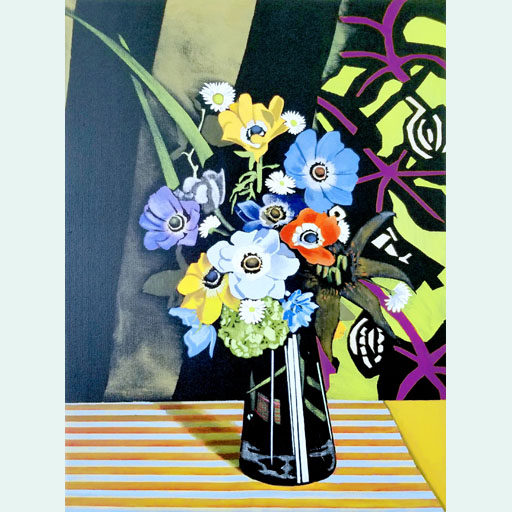
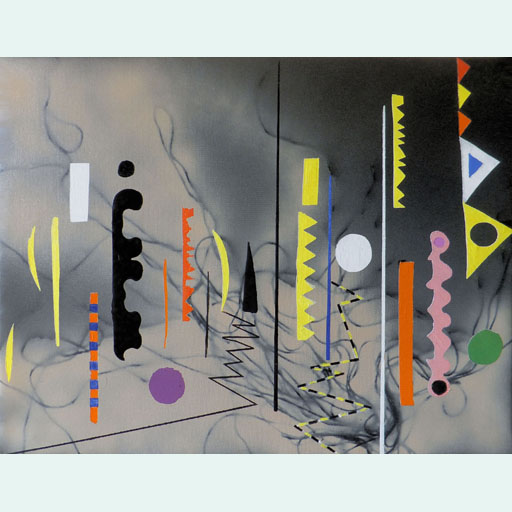
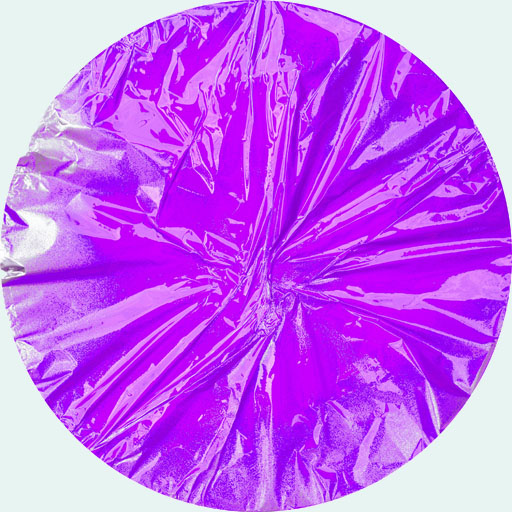
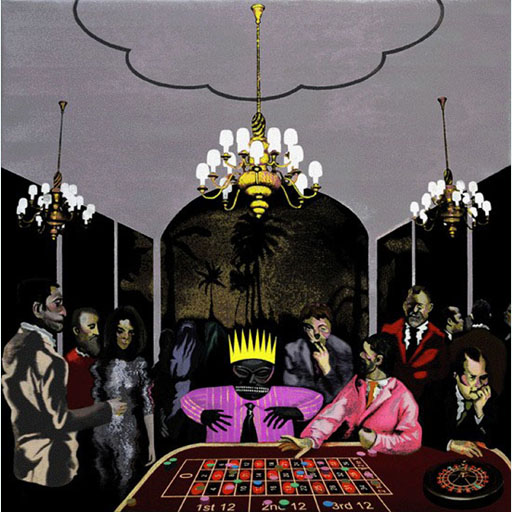
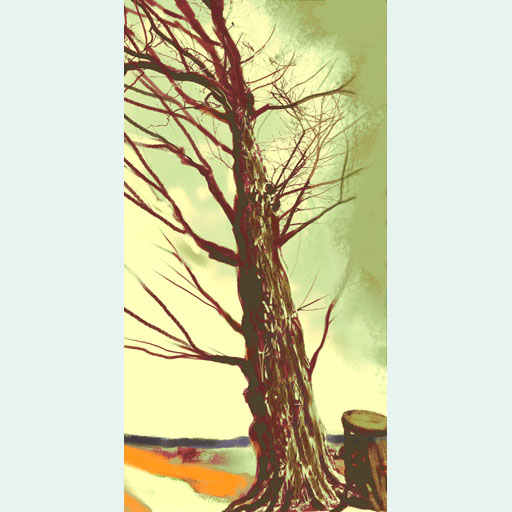
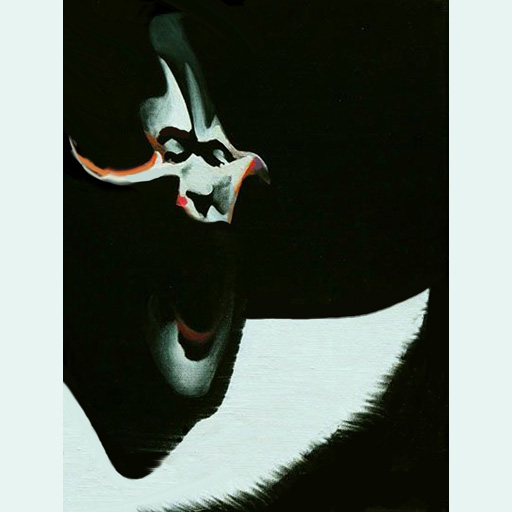
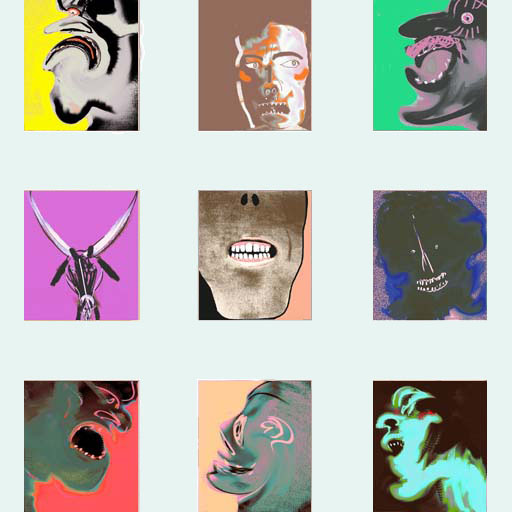
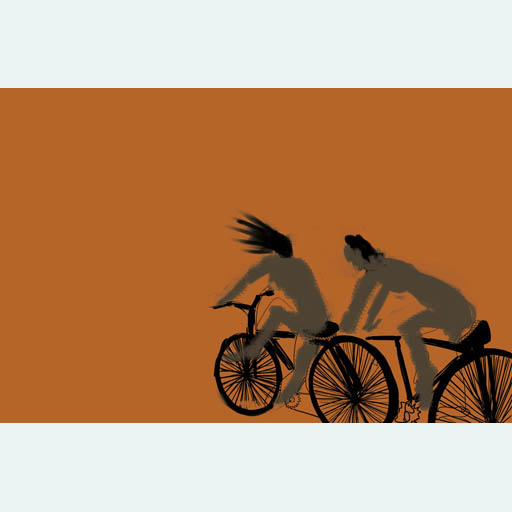
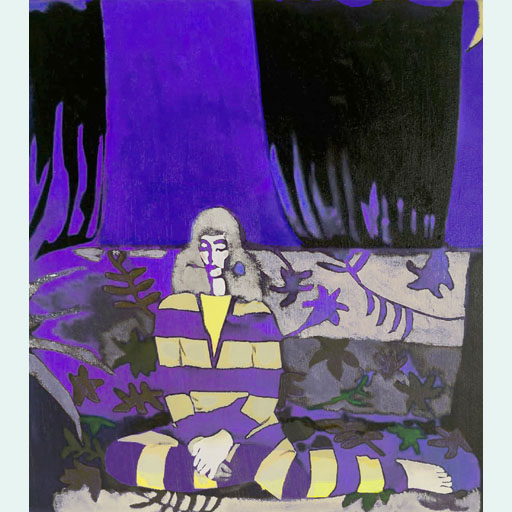
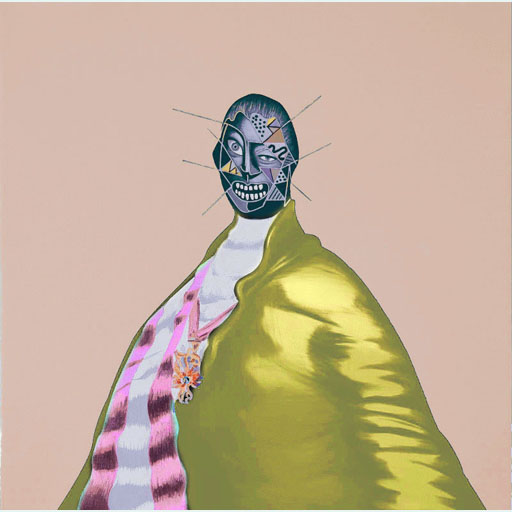
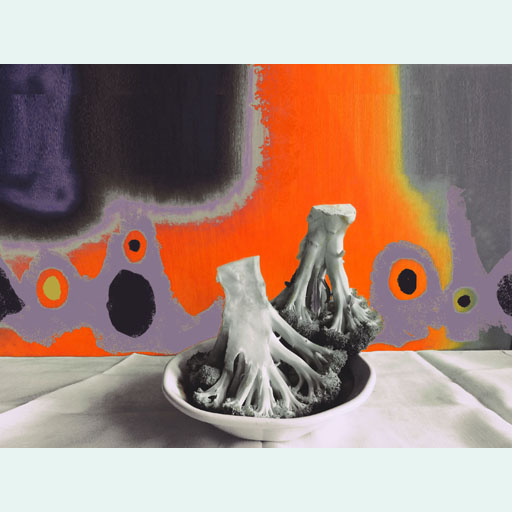
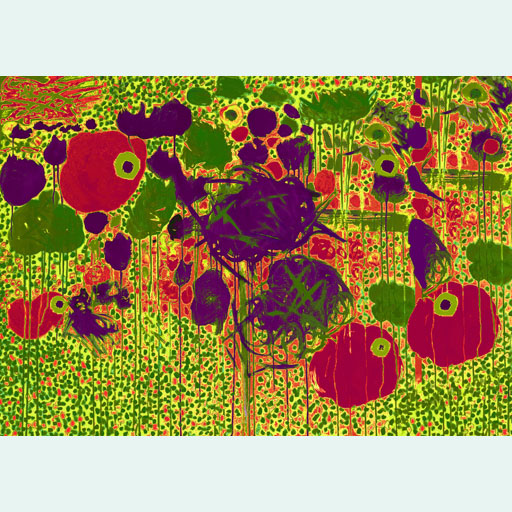
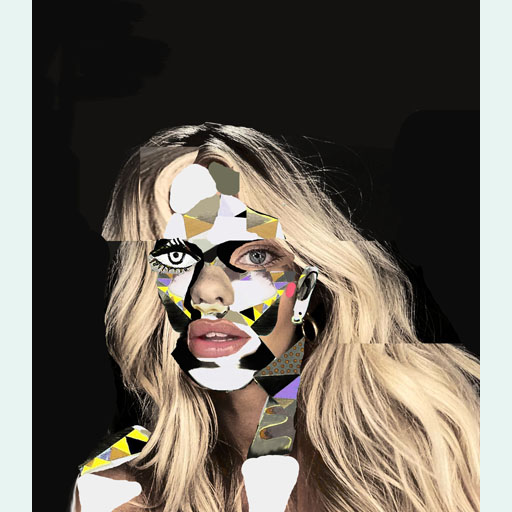
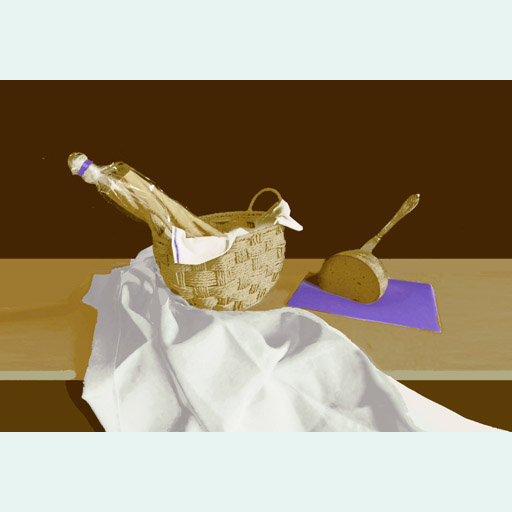
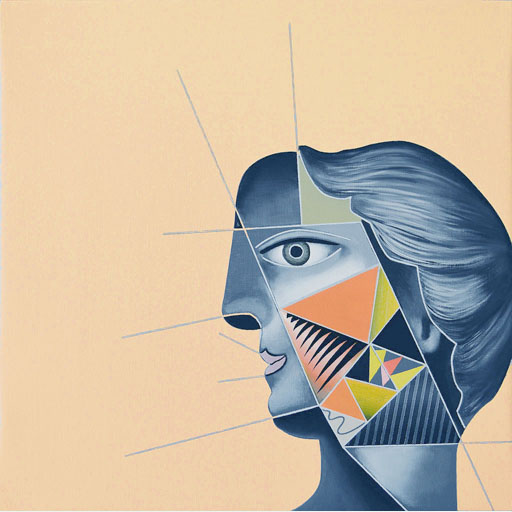
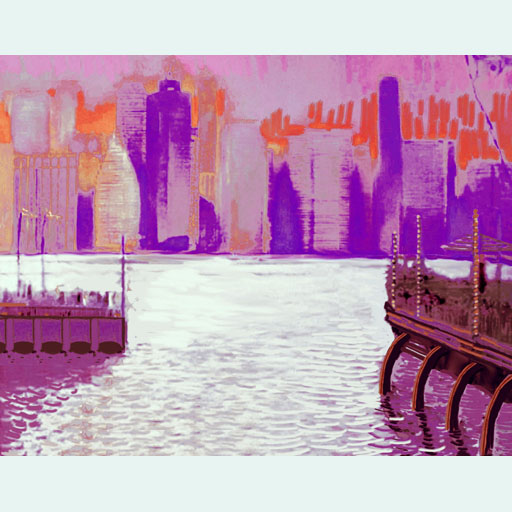
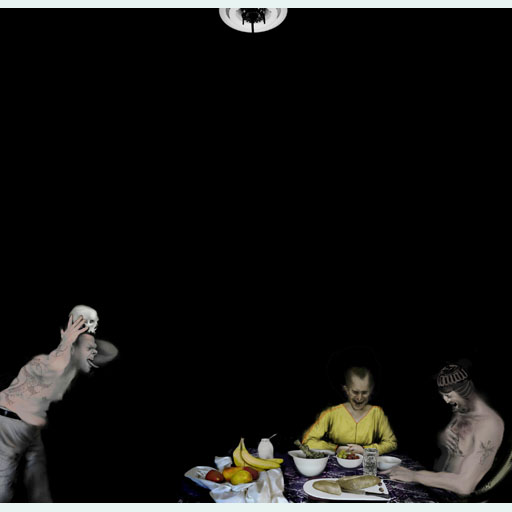
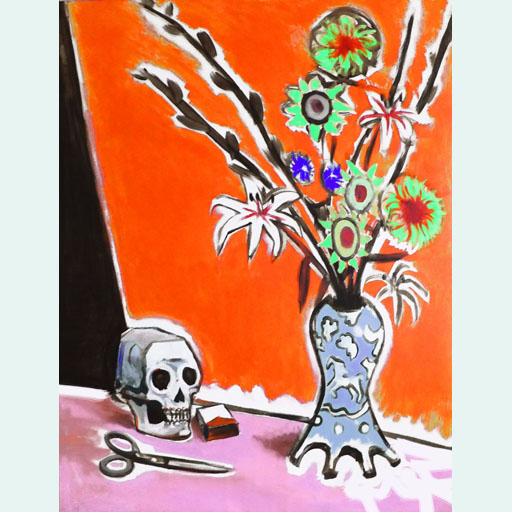
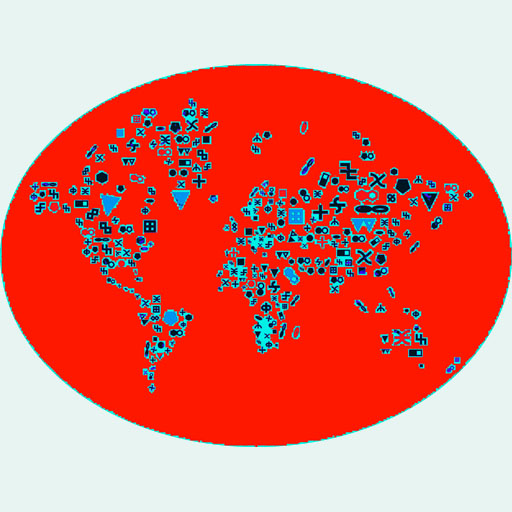
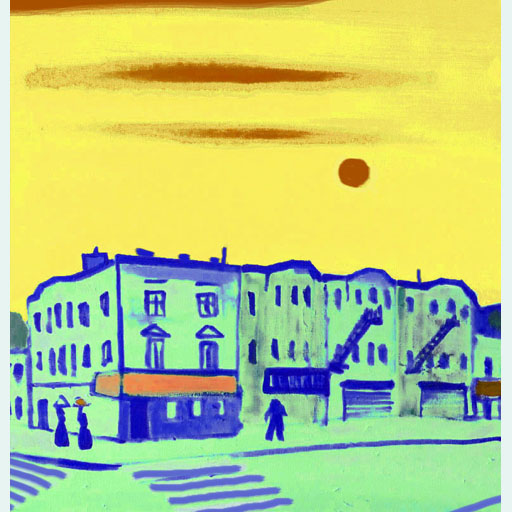
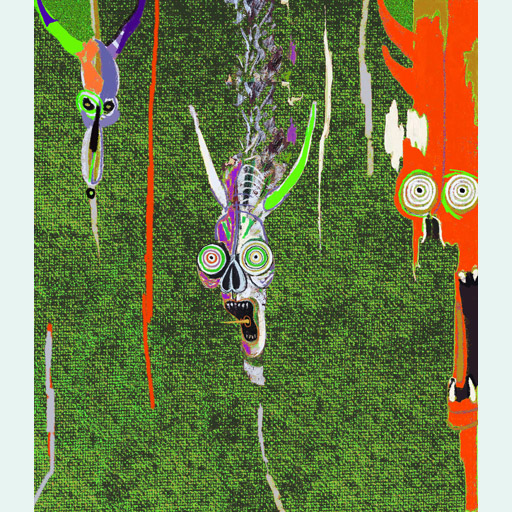
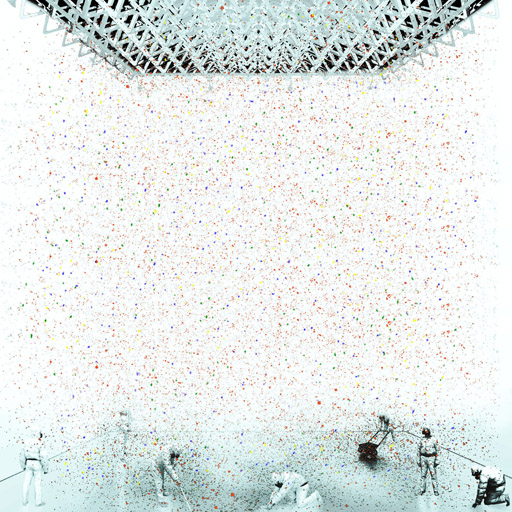
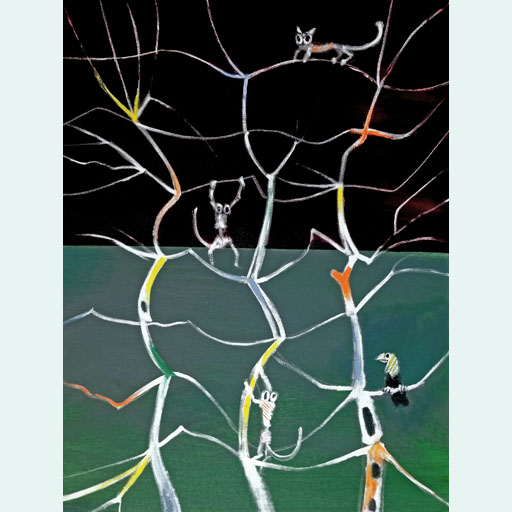
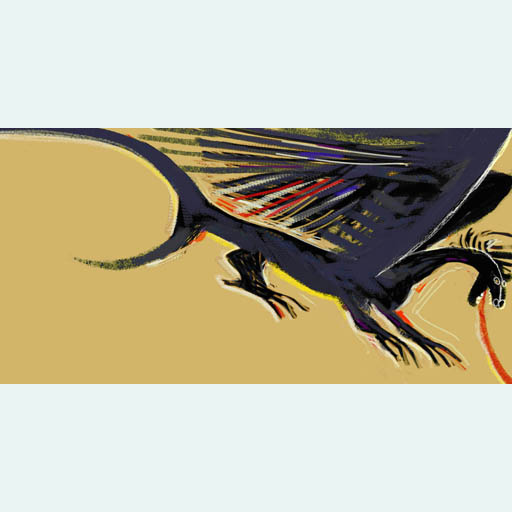
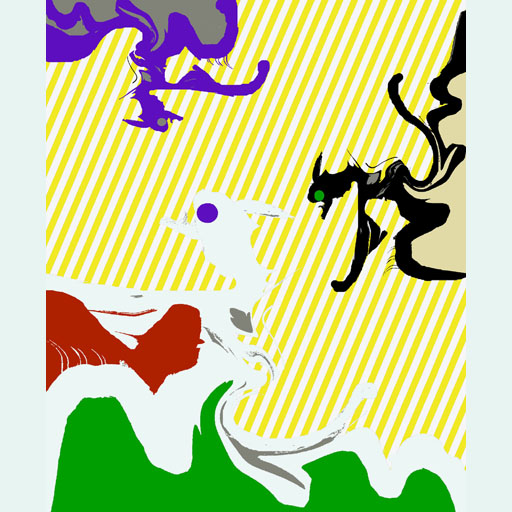
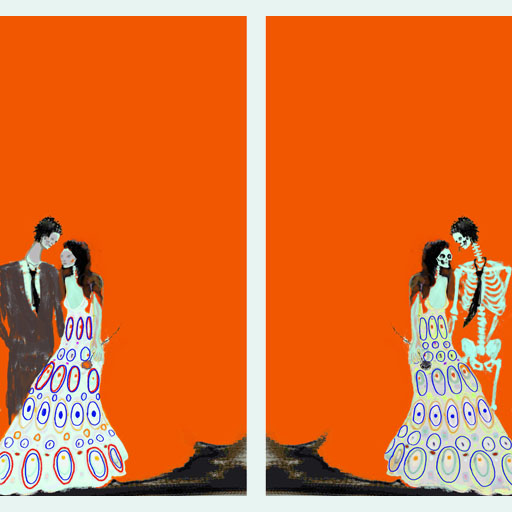
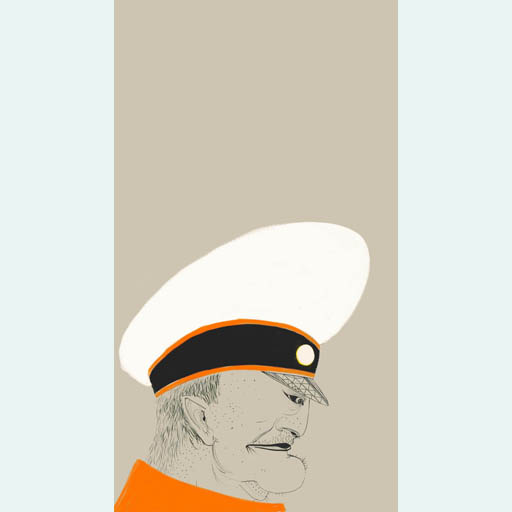
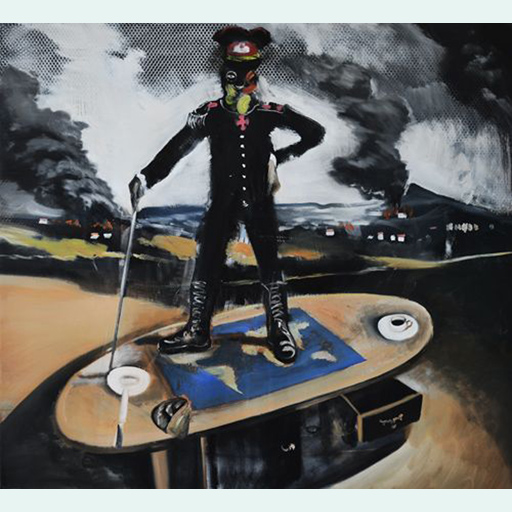
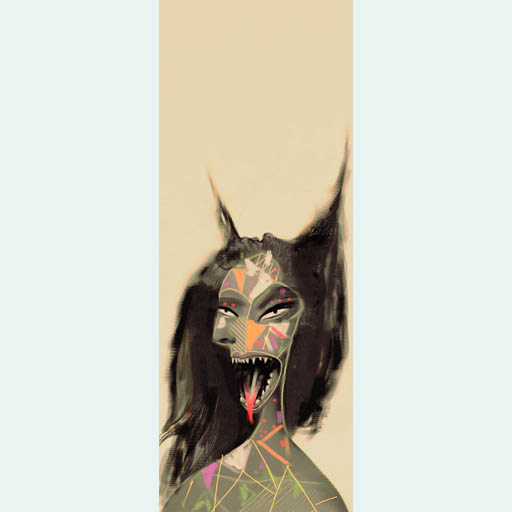
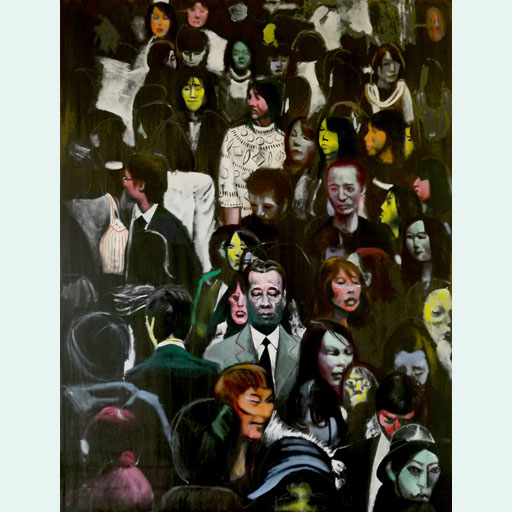

Niertismus is an emerging religion of the sacred marriage of art and science, an international faith and ethical-philosophical system focused on the fusion of synthetic human immortality, the absence of criminality, and the celebration of absolute creativity as a transformative vision of human evolution. We affirm that humanity's dreams are entirely achievable. Today's initiatives in life extension and technology are laying the foundation. The goal of Niertismus is to improve the content, meaning, and quality of life. We invite you to consider how the principles of Niertismus might align with your beliefs and experiences, and to join our ongoing dialogue through regular interaction with our website and participation in our art forum.
We live in an exceptionally rapidly changing and fiercely competitive world with many potential future scenarios. The intensity of geopolitical competition between military blocs could lead to further division and fragmentation of the modern world. Superpowers, including the United States, the European Union, Russia, and China, pursue goals of national primacy and constantly compete for global influence. Modern military technologies, such as nuclear weapons, drone swarms, robotic armies, and propaganda technologies, pose existential risks capable of causing widespread destruction in a short period of time.
In this environment, a unifying vision is needed that can guide humanity toward a more promising future than the climate breakdown, increasing inequality, poverty, and escalating international and domestic conflicts that threaten us. While Niertismus offers an optimistic vision, we acknowledge unresolved issues related to public relations, social acceptance, funding, governance, and the ethical oversight necessary to ensure its positive implementation. By identifying these uncertainties, we reaffirm our commitment to intellectual transparency and invite collaboration in finding solutions.
As a first step, we advocate for international dialogues dedicated to peaceful conflict resolution, ethical arms races, and military-sports competition as an alternative to all destructive conflicts.
Niertismus welcomes competition, including even military competition. Chiao views the arms race as a key component of technological progress, but prioritizes the pursuit of immortality and Biblical lawfulness of the 10 Commandments. Thus, he supports non-lethal methods of warfare, primarily propaganda strategies and tools for improving the quality of education, as well as extensive international student exchanges, as a preferable alternative to war and armed conflict.
The term Niertismus comes from the Russian acronym NIERT, which stands for Scientific Institute of Electronics and Robotics. According to the artist, the global creation of such institutions will facilitate the integration of Niertismus principles into everyday life. Initially, immortal robots will be taught to perform most human tasks, eventually allowing humans to achieve synthesis with robotic precision and ethical immortality.
Niertismus focuses on achieving immortality and prosperity through advanced technology and medical science, striving for universal Biblical lawfulness and ecological safety. It asserts that any degree of wealth is achievable through creation and the pursuit of non-violence toward all life forms.
Some scientific predictions suggest that future humans may subsist solely on solar energy, obtained, for example, through clothing integrated with solar panels. This clothing will generate bioelectricity to directly support human life. Furthermore, edible biomaterials could be produced using solar energy, enabling the synthetic creation of nutrient-rich milk from water and minerals or the synthesis of other biological substances suitable for safe human consumption. The artist strongly supports the ethical production of food products using 3D printing technology.
We predict that in the foreseeable future, advanced 3D printing technologies will enable the production of a wide variety of products, including clothing, vehicles, and robots. Traditional professional boundaries will blur as people acquire interdisciplinary knowledge in science, technology, design, and art. Niertismus envisions a future society saturated with wealth, intelligence, and prosperity.
Virtual reality will offer extended travel through time and space, delivering immersive experiences comparable to a multiplied cinematic experience. Furthermore, medical advances will enable the control of individual memory, allowing people to erase past experiences and return to the world with sensations similar to childhood, or directly download knowledge and skills. Beyond the typical humanoid existence, future humans will also be able to experience the lives of other life forms, such as an all-seeing tree in a prehistoric world, or become a miniature butterfly capable of repeatedly circling planets on its wings, surrounded by visual, physical, and chemical sensations. Continued progress in science and art will fuel further innovation.
Just as Renaissance artists such as Giotto, Michelangelo, Botticelli, Raphael, and Leonardo da Vinci created Christian shrines adorned with exceptional works of art to support the religion of Jesus Christ, Niertismus strives to create churches for a modernized faith. These chapels will be designed to exist in harmonious dialogue with, rather than opposition to, the faith of Jesus Christ. Furthermore, these churches will serve as spaces for collaborative art-making, where participants will actively engage in the creation of new works and surreal playgrounds. Inspired by Renaissance workshops, Niertismus churches will foster participation, providing spaces for co-creation and dynamic artistic meditation. This participatory model reflects our commitment to collective progress and embodies a spirit of unity and shared purpose.
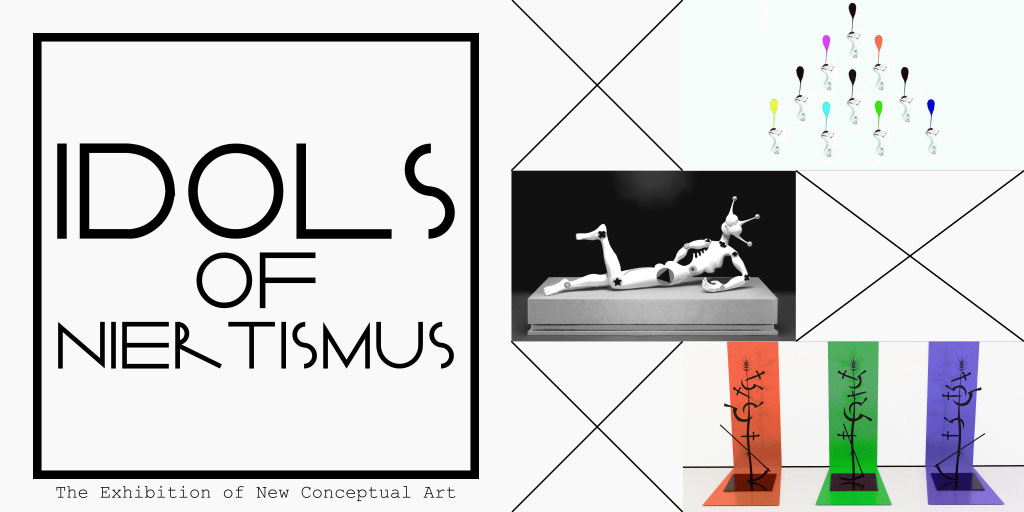
Idols of Niertismus, a project by Nicholaas Chiao, recalls the works presented at the 1988 Freeze exhibition in London, curated by then-student Damien Hirst, and continues his legacy by provoking new ways of seeing and thinking, as highlighted on the exhibition's Wikipedia page. The influence of the Young British Artists (YBAs) is evident in Niertismus through its bold, avant-garde approach and use of unconventional materials, demonstrating a willingness to subvert artistic conventions and stimulate new dialogues. Inspired by the work of the Young British Artists (YBAs), Niertismus also explores themes of life, death, consumption, and human vulnerability, often using stark contrasts to provoke deeper reflection. This artistic heritage enriches Niertismus's visual narrative, inviting viewers to engage with both its aesthetic and philosophical aspects.
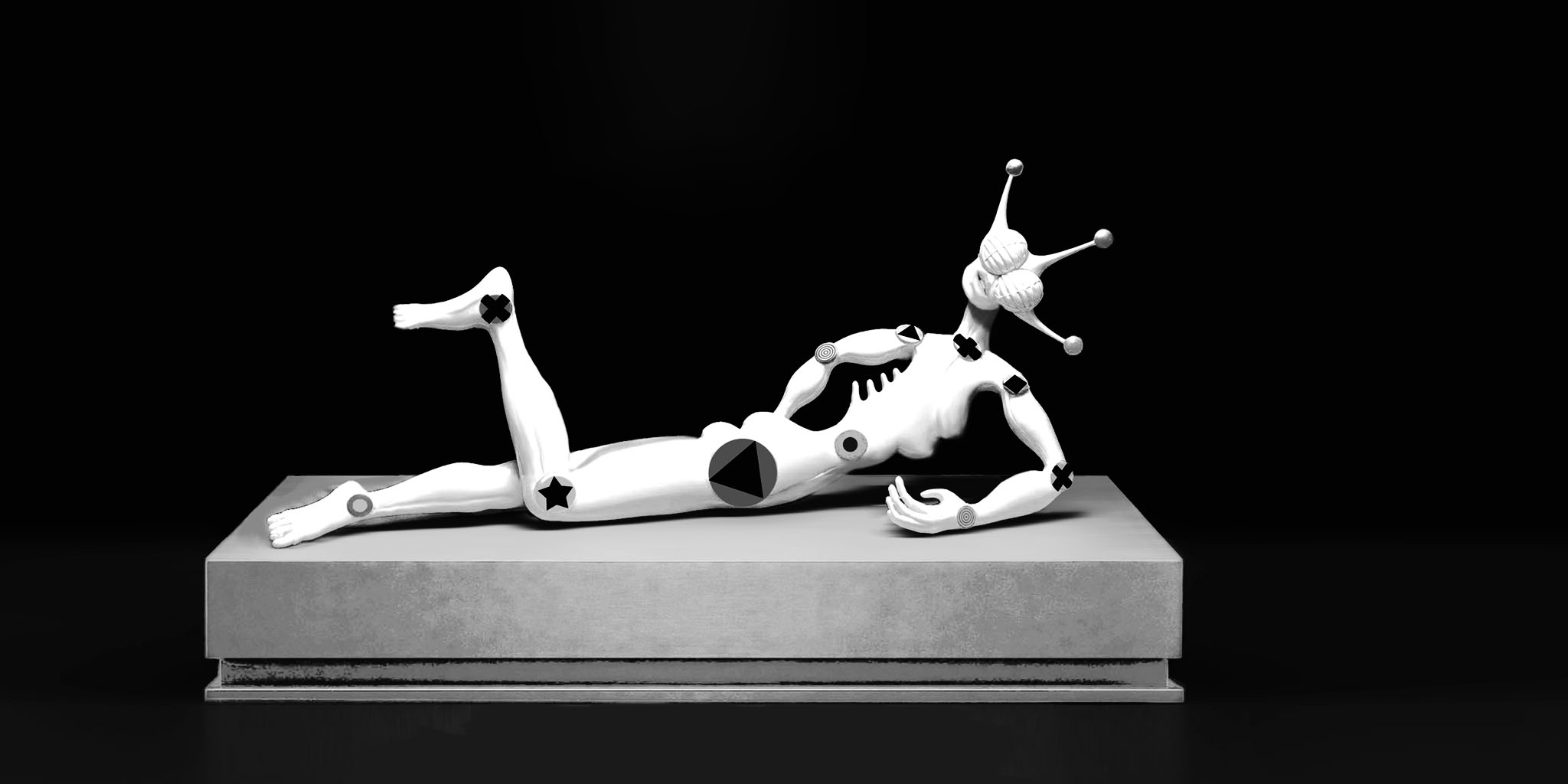
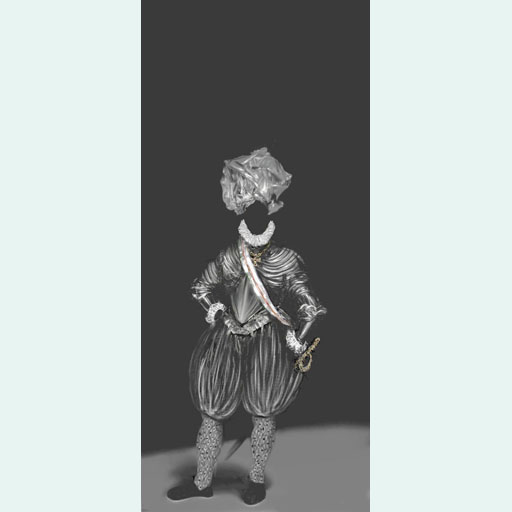
2022, digital rendering for a project of sculpture made of painted steel, approximately 70 x 45 x 40 inches. This sculpture symbolizes the merger of man and machine, immortal, harmless, and lethal-fast if needed.
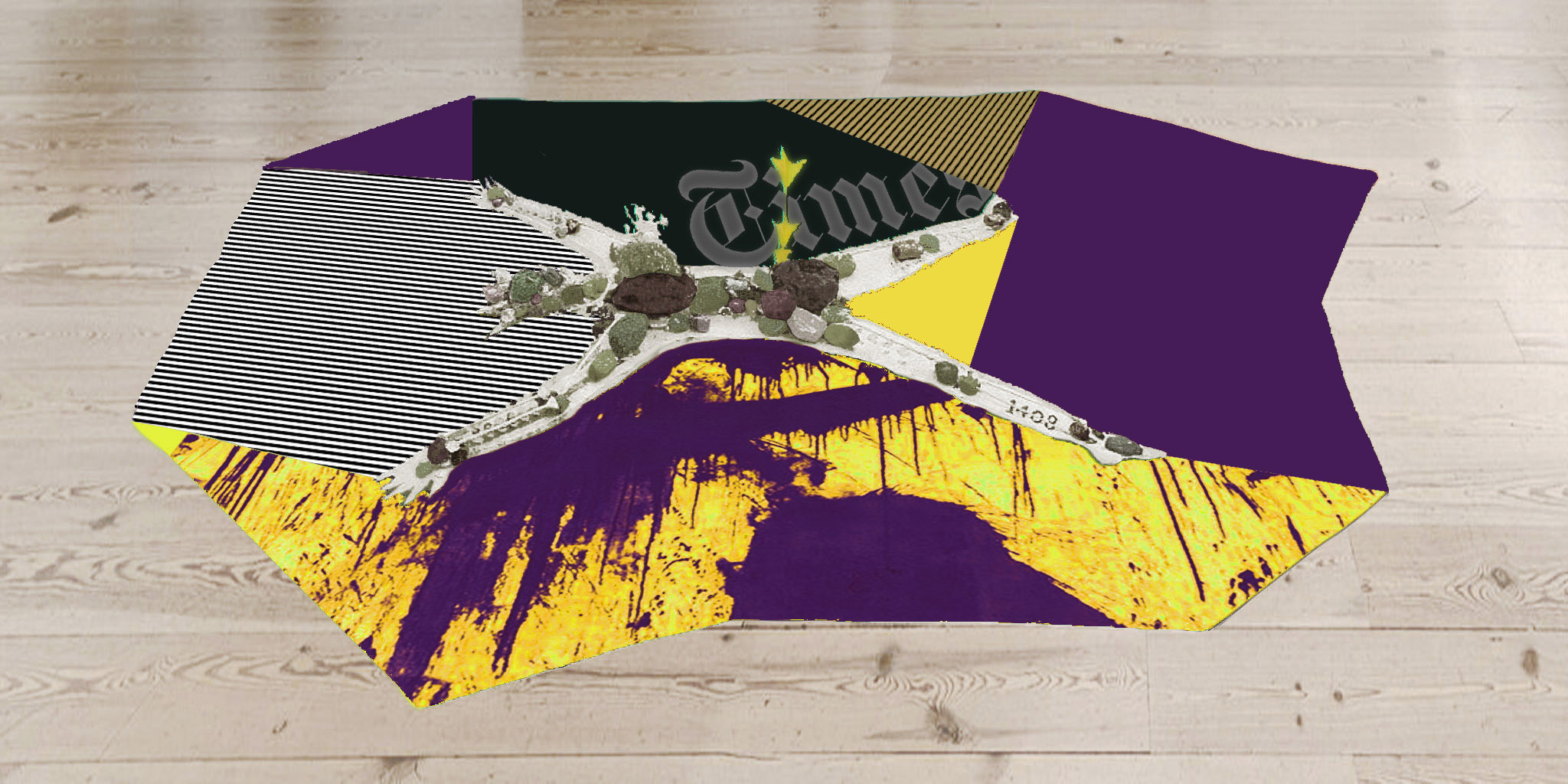
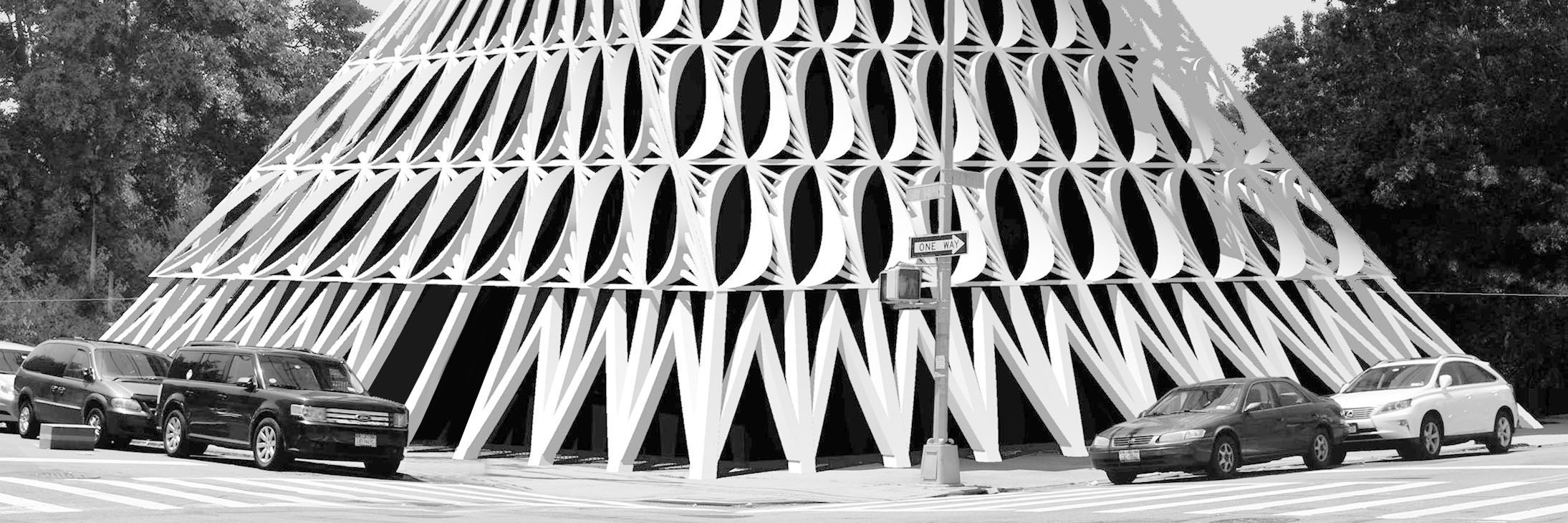
2022, digital rendering for a project of sculpture made of plaster, vinyl, approximately 50 x 50 x 8 inches. This sculpture serves as a metaphor for the atomic-molecular structure of the world, evoking the idea of atoms and molecules as foundational elements, like LEGO bricks that construct universal realities. The artist began focusing on sculpture after a decades-long period dedicated to refining his painting practice. Like most of his sculptures, this piece is about the achievability of scientific paradise on Earth, about the divine connection between scientific facts and the Biblical miracles. Most sculptural projects were completed between 2020 and 2022. The artist is particularly drawn to teardrop-shaped forms and rhythmically repeated particles, consistently inspired by the notion of a LEGO-like atomic-molecular universe. In addition to these conceptual influences, the artist’s work engages with traditions of geometric abstraction and modularity found in the practices of artists such as Sol LeWitt and Jean Arp, who also explored repetitive forms and systematic structures. This contextual framework situates the sculpture within broader dialogues around the visualization of scientific concepts and the translation of foundational structural ideas into visual art.
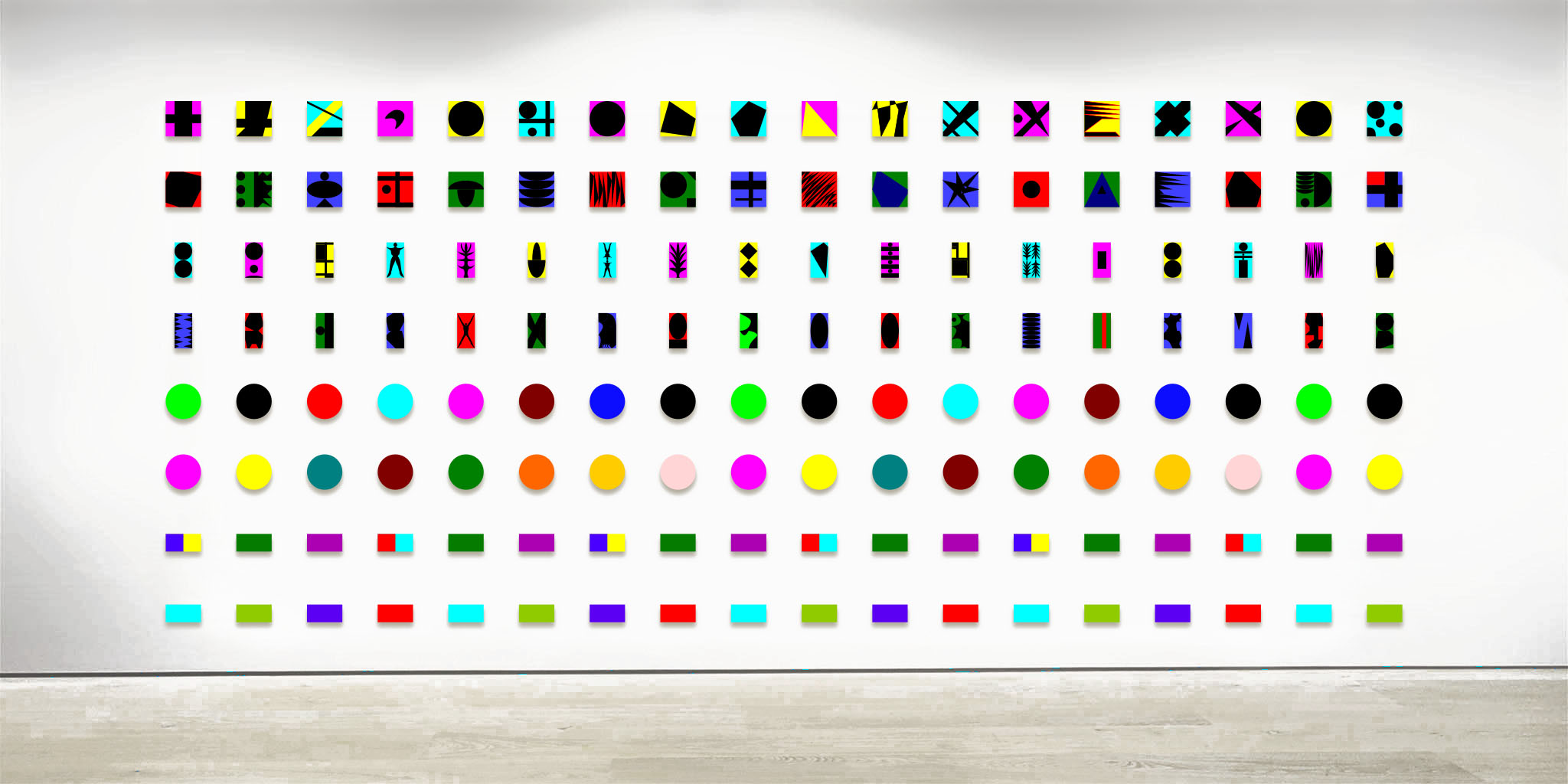
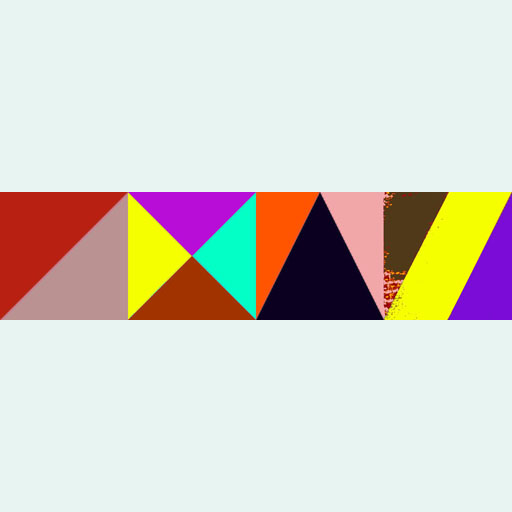
2022, digital rendering for a project of multi-part acrylic painting, approximately 180 x 70 x 2 inches. Our life is a calendar, our possessions are a combination of LEGO bricks: atoms, and molecules, so simple that happiness is presented as an achievable universal goal. This artwork, composed of 144 parts by Nicholaas Chiao, exemplifies a comprehensive and methodical exploration of geometric abstraction, inviting comparison with the serial methodologies of artists such as Sol LeWitt and Hanne Darboven. The deliberate arrangement and repetition of the individual components not only highlight the work’s visual unity but also reflect a broader tradition in which the progressive accumulation of modular units conveys both conceptual and temporal meaning. As in LeWitt’s wall drawings or Darboven’s systematic calendar-based works, the repetition here is more than decorative: it embodies the cumulative formation of experience over a lifetime and visually mirrors the way individual life events collectively shape human existence. The structured sequencing of geometric forms recalls similar strategies in minimalist and conceptual art that emphasize both the orderly passage of time and the cyclical nature of the life cycle—each repeated segment evokes stages from birth to death, echoing the universal rhythms explored by these predecessors. By relying on a systematic organization of abstract forms, the piece not only reinforces its thematic emphasis on order, continuity, and transformation, but also positions itself within a lineage of artists who employ repetition and seriality to probe the deeper structures underlying experience, thereby inviting viewers to interpret the work as both a literal and metaphorical exploration of mortality in the broader context of human existence.

2022, digital rendering for a project of sculpture made of paper, steel, approximately 50 x 30 x 19 inches. This work symbolizes the systematic accumulation of scientific knowledge, serving as a sacred Gates of Eden, suggesting an inherent progression of a society gradually developing scientifically toward the realization of Nietzsche's idea of the Übermensch and the Heavenly Paradise on Earth predicted by the Bible. By employing equal divisions and rhythmic placement of cerulean and red-colored books, the artist transforms the bookshelf into an aestheticized art object, engaging with precedents in conceptual and minimalist art. The work not only echoes the modular strategies seen in Donald Judd’s serial constructions and the systematic arrangements of Hanne Darboven’s installations, but also highlights a shared thematic concern with how repetition and organization can both reflect and question knowledge systems. In each case, regularized repetition and the use of everyday materials become a means to interrogate structures of order, the accumulation of knowledge, and processes of meaning-making. By drawing out these thematic connections, the artist situates the bookshelf within broader discussions about the visualization and organization of information in sculptural practice.
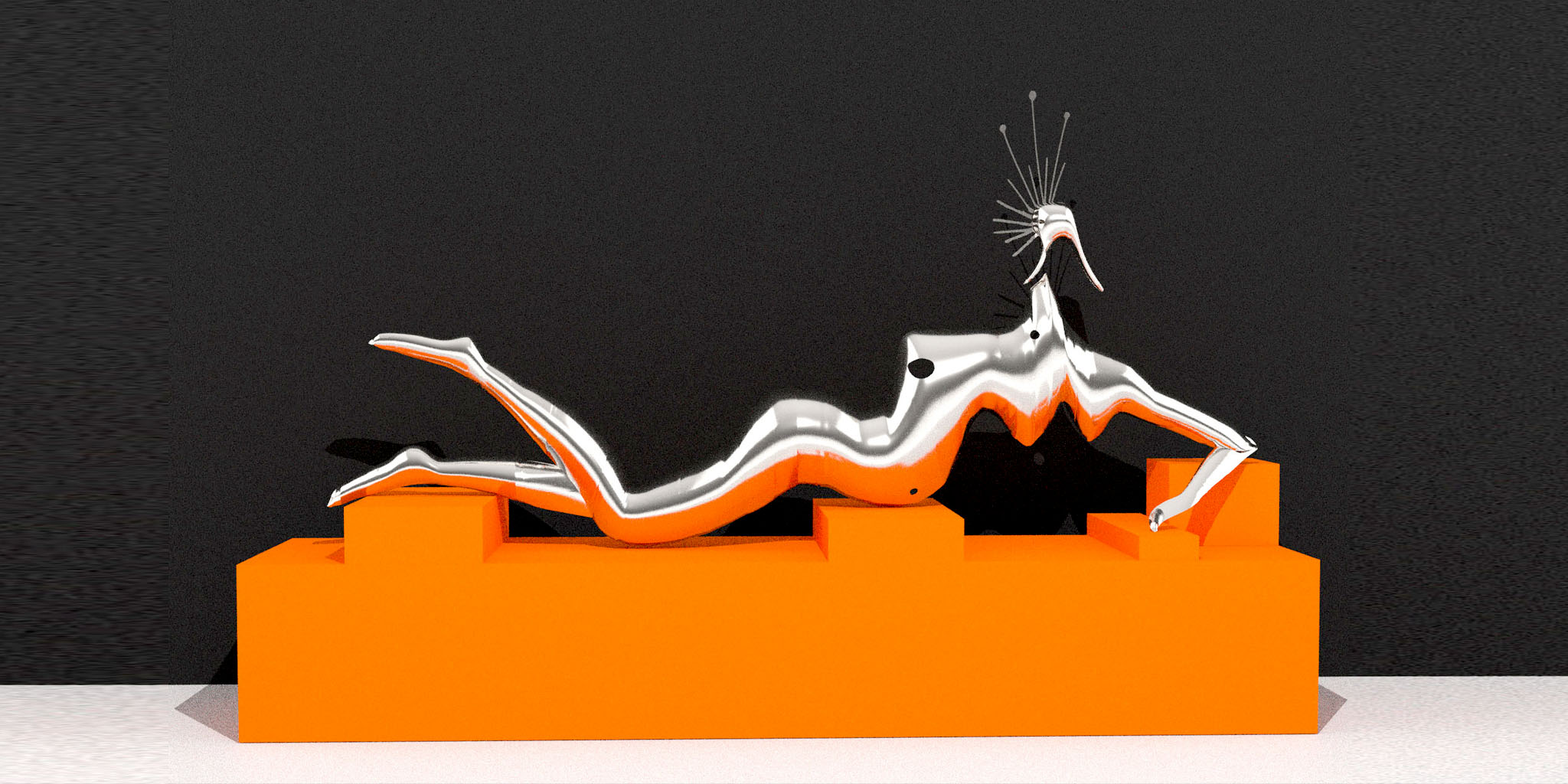
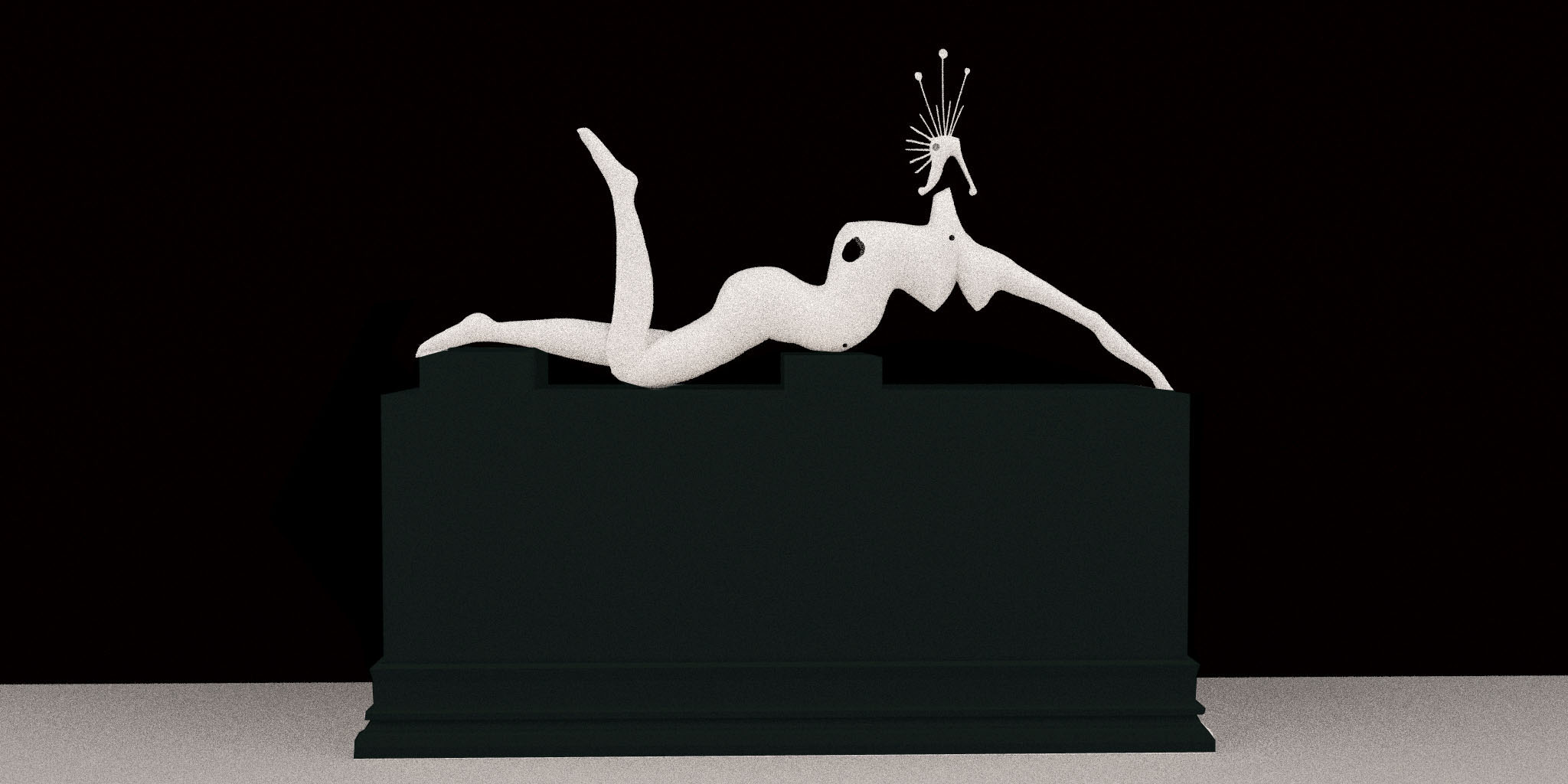
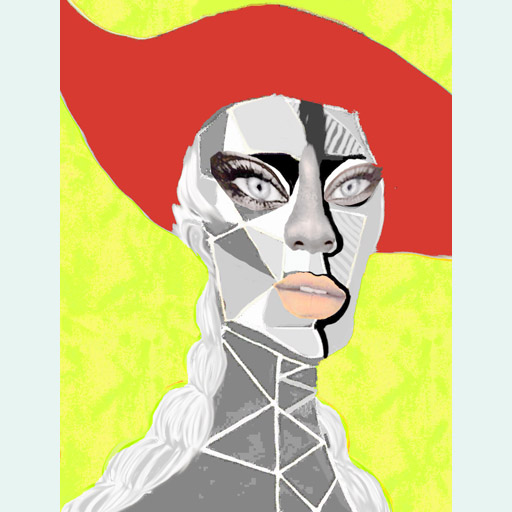
2024, digital rendering for a project of sculpture made of steel, dimensions vary. This anti-naturalistic sculpture embodies the militaristic aesthetic of an Uberwoman, visualized as a half-robotic figure leading masses. The figure’s construction, with geometric segmentation and cubist abstraction, rejects classical anatomy and instead incorporates mathematical order and futuristic design. The segmented, angular surfaces suggest armor or mechanical body parts, visually reinforcing the theme of militarization and strength. By depicting the figure as powered by solar energy, the artist uses formal elements—such as sharp lines, reflective materials, and equal divisions—to symbolize a transition from traditional beauty toward a vision of empowerment and technological advancement, visually connecting the sculpture’s form to its conceptual meaning as a herald of a new era.
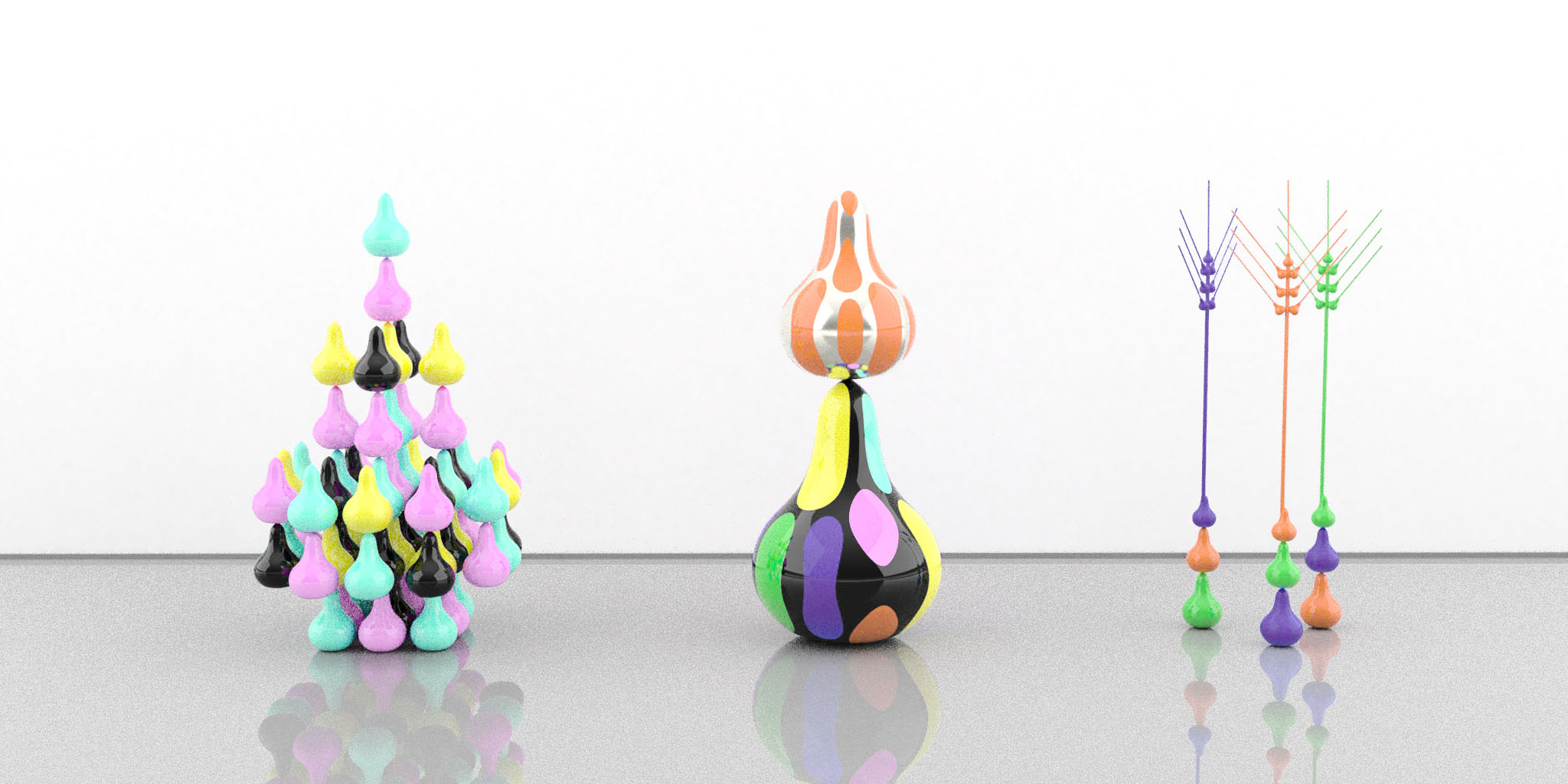
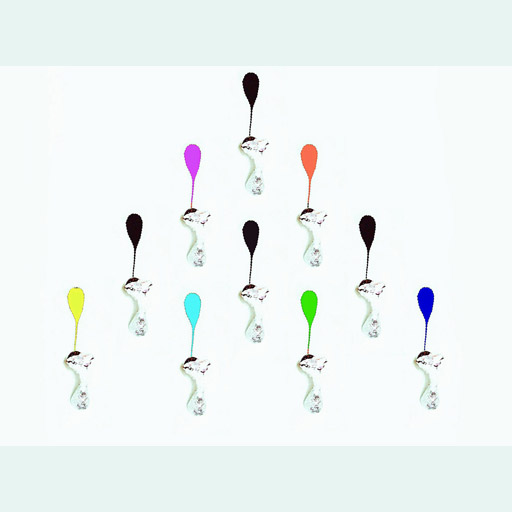
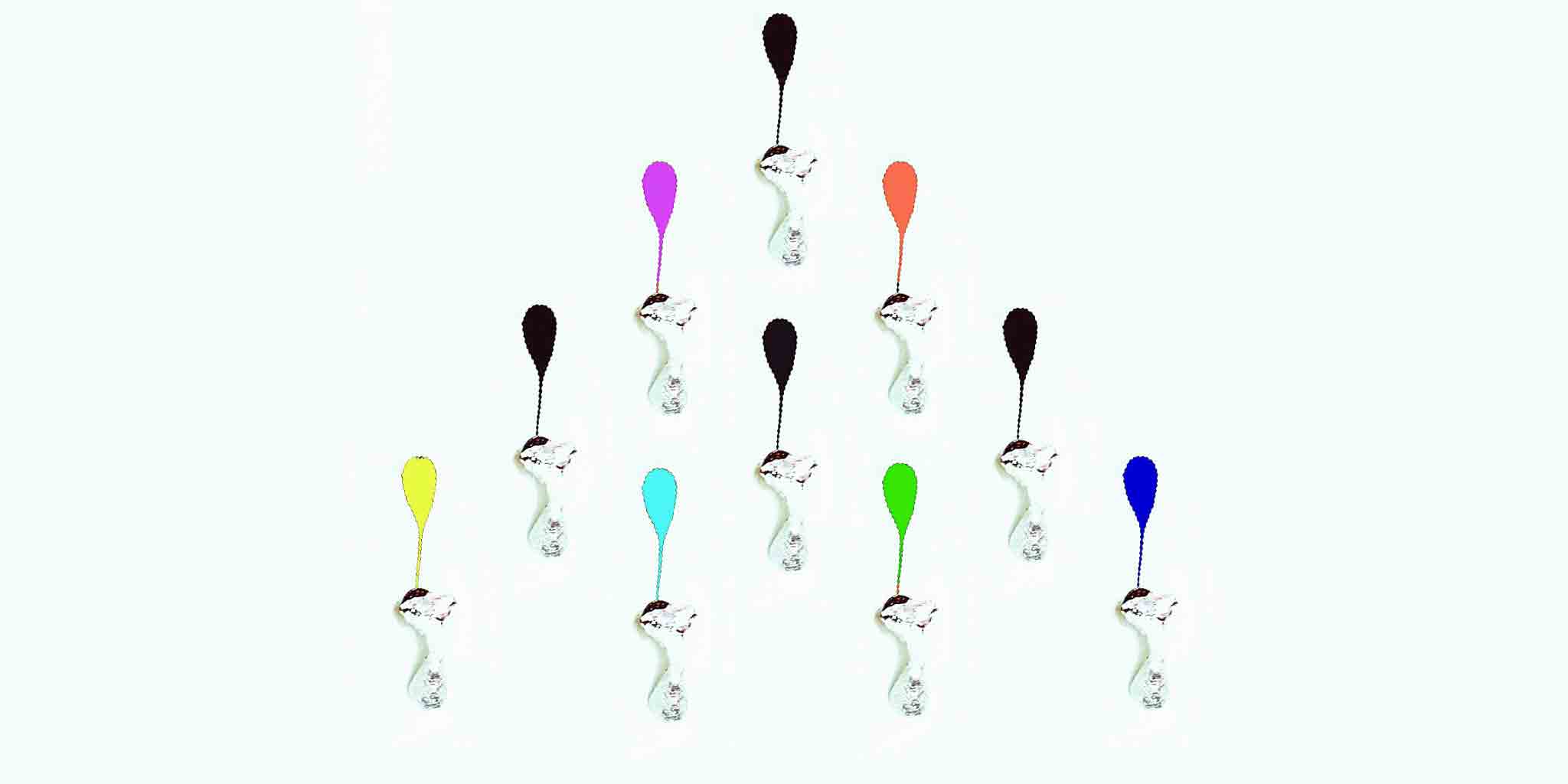
2023-24, digital rendering for a project of sculpture made of bronze, dimensions vary. This sculpture interprets the diversity of life on Earth as a metamorphosis of raindrops, which, through repeated cycles, acquire new structural and chemical forms. These forms grow, interact with gravity and each other, and develop a multiplicity of shapes influenced by initial conditions and growth rates. The work employs primary color triads—red, blue, green, yellow, cyan, and purple—and features symmetry, a central focus, and rhythmic repetition, with teardrop-shaped forms as the primary motif.
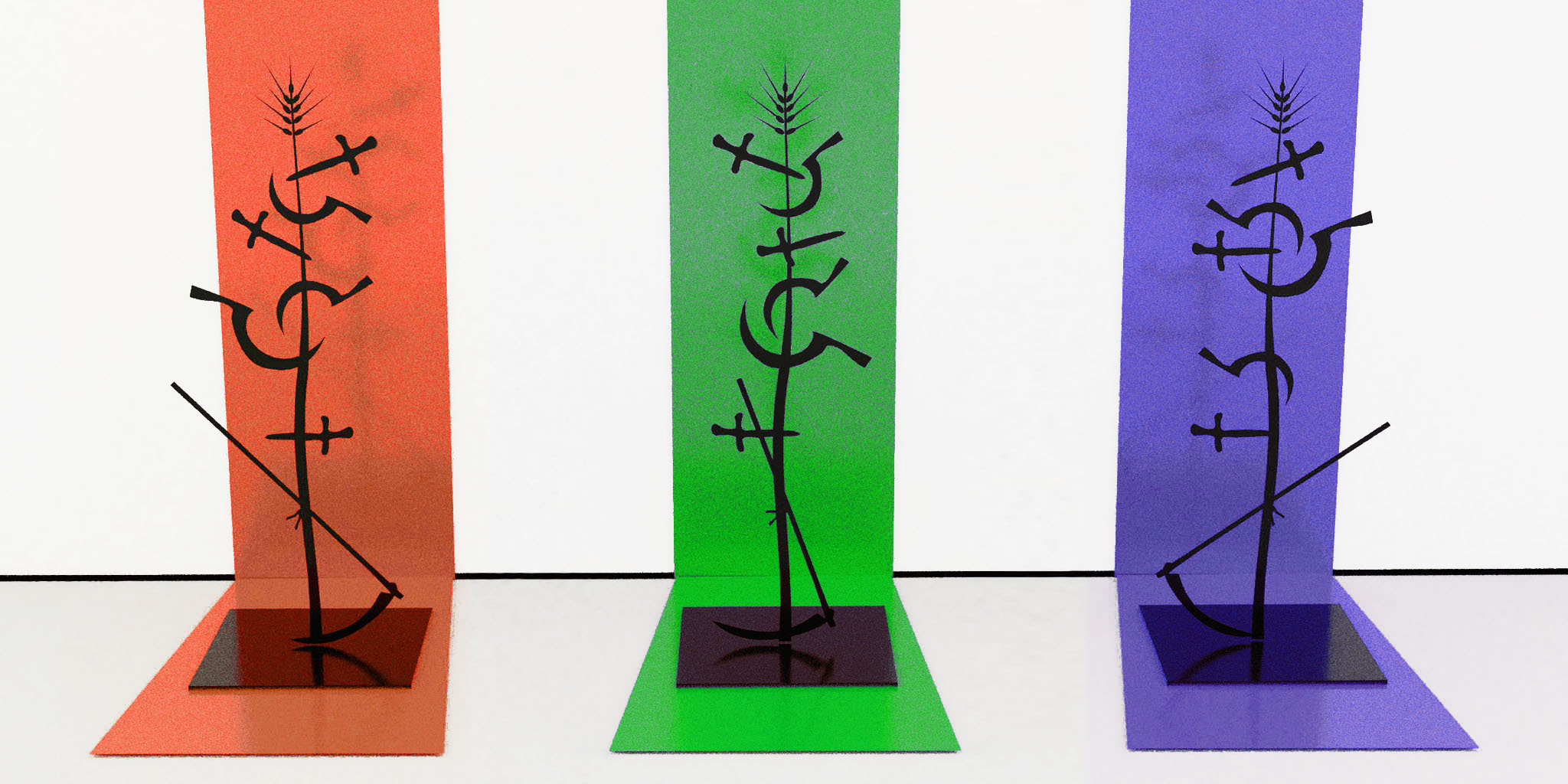
2022-23, digital rendering for a project of sculpture made of bronze, fabric, dimensions vary. This work critically engages with the cruelty inherent in both the human and plant spheres, particularly through the lens of agricultural practices. Visually, clusters of sculpted plant-like forms are interspersed with fragmented, hand-shaped elements, evoking the physical act of harvesting and the severing of life. The use of red and ochre pigments on select plant surfaces suggests bruising or wounding, further underscoring the work’s thematic focus on violence in seemingly benign practices. Notably, the piece advances an original ethical analysis by framing the annual harvest as an intentional act of ending life, compelling a re-examination of commonplace practices that often escape moral scrutiny. By conceptualizing the appropriation of plant bodies as ethically fraught—made manifest in the sculpture’s depiction of uprooted roots and exposed tissues—the work foregrounds complexities that are frequently overlooked. The sculpture's central contribution lies in its innovative challenge to established moral hierarchies: it urges viewers to reconsider the agency and intrinsic value of all living organisms, thereby destabilizing anthropocentric frameworks and confronting the presumption of plant passivity. Additionally, the work proposes a forward-thinking ethical vision by imagining the synthesis of food—referenced visually through metallic, vessel-like forms integrated among the organic shapes—as a potential scientific breakthrough that could disrupt longstanding cycles of harm and appropriation associated with sustenance. Through this multi-layered approach, the sculpture not only critiques existing ethical paradigms but also expands the discourse concerning humanity’s responsibilities, emphasizing the possibility of radically transforming the boundaries of ethical consideration through technological innovation.
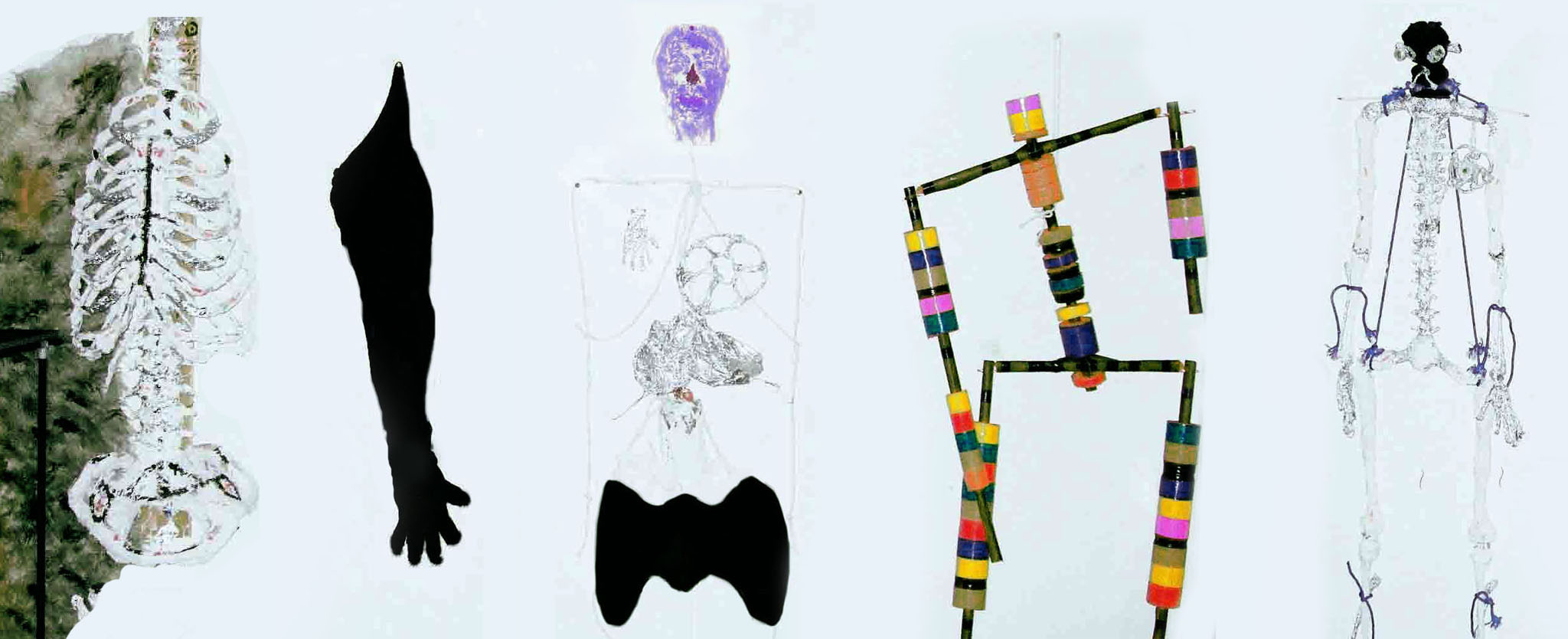
2022, digital rendering for a project of mixed media sculpture, dimensions vary. Despite the artist’s supported claim: Do not harm and no harm will come to you, Nicholaas Chiao sees military science as a necessary form of protection. This arrangement presents a series of sculptures symbolizing militarized defenders and guardians, creating thematic links between historical and contemporary understandings of protection and authority. The installation references entities ranging from ancient Roman legions to modern autonomous robots and cyborg beings, illustrating the evolution of defense mechanisms and guardianship. By juxtaposing these diverse forms, the work not only examines how technological progress updates traditional defense strategies but also suggests that conceptions of strength and freedom are continuously renegotiated through shifts in technology and social organization. This critical interplay highlights the artist's insight that the essence of guardianship is less rooted in any single era or technology than in an enduring human impulse to seek security and assert boundaries. By organizing these references into a unified sculptural ensemble, the piece emphasizes that the persistent significance of militarization and protection is shaped by both historical legacy and adaptability, revealing how collective anxieties and aspirations manifest in evolving visual and cultural symbols.
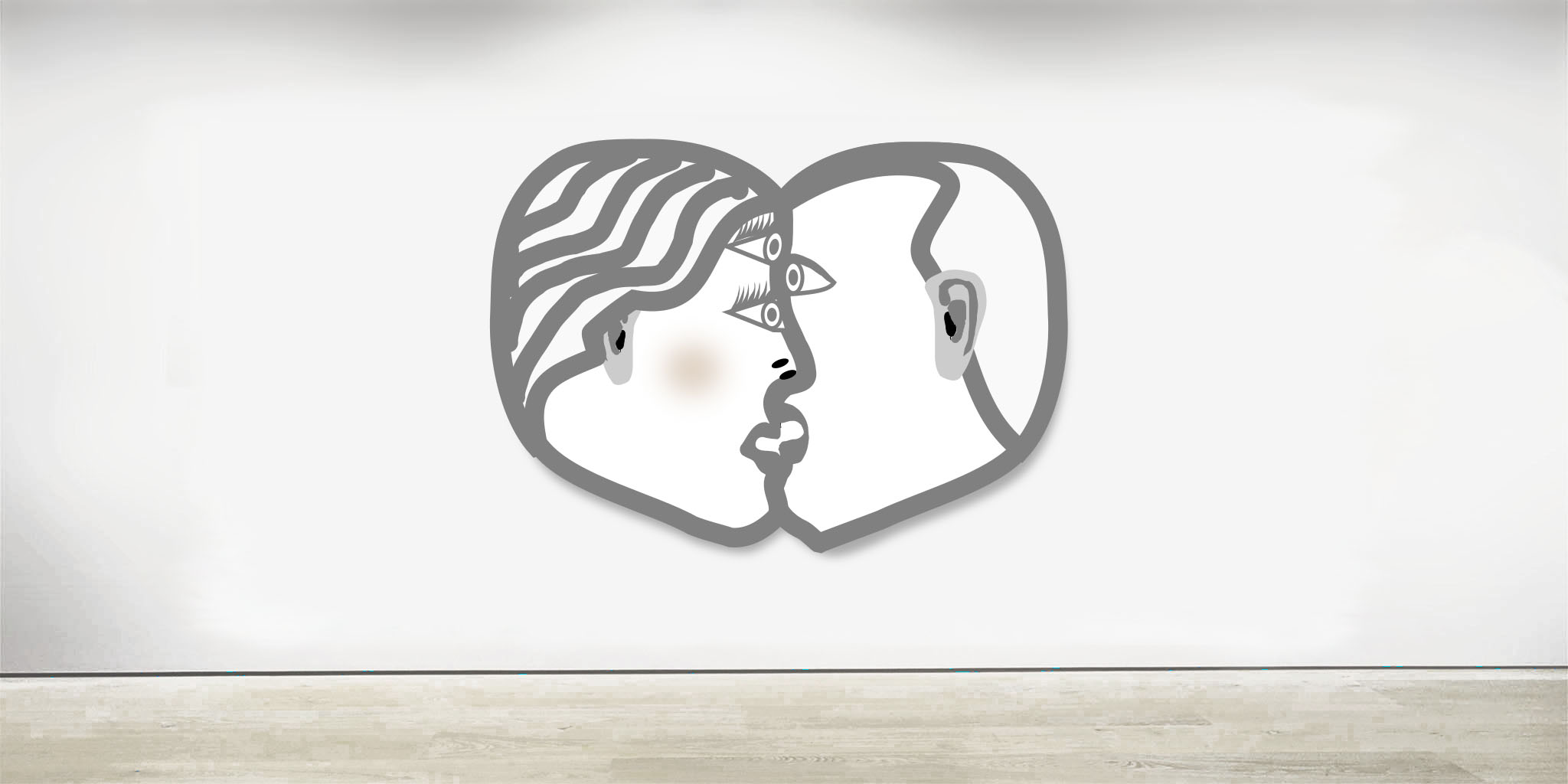
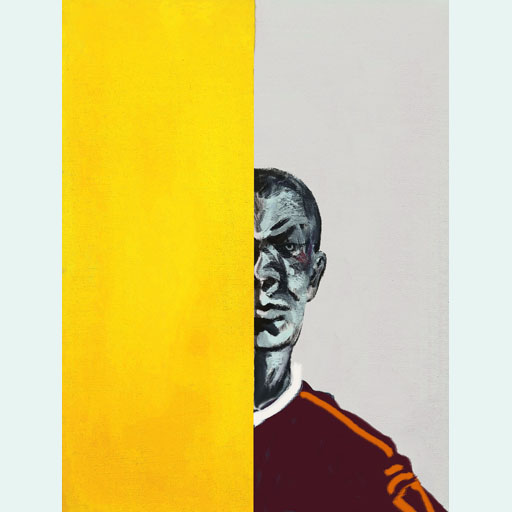
2023, digital rendering for a project of oil painting. This pictorial composition depicts two lovers kissing. Inspired by Brancusi's famous sculpture of lovers, this painting is cynically titled "Kiss by Deficit," highlighting the similarity between love and the consumption of commercial goods.
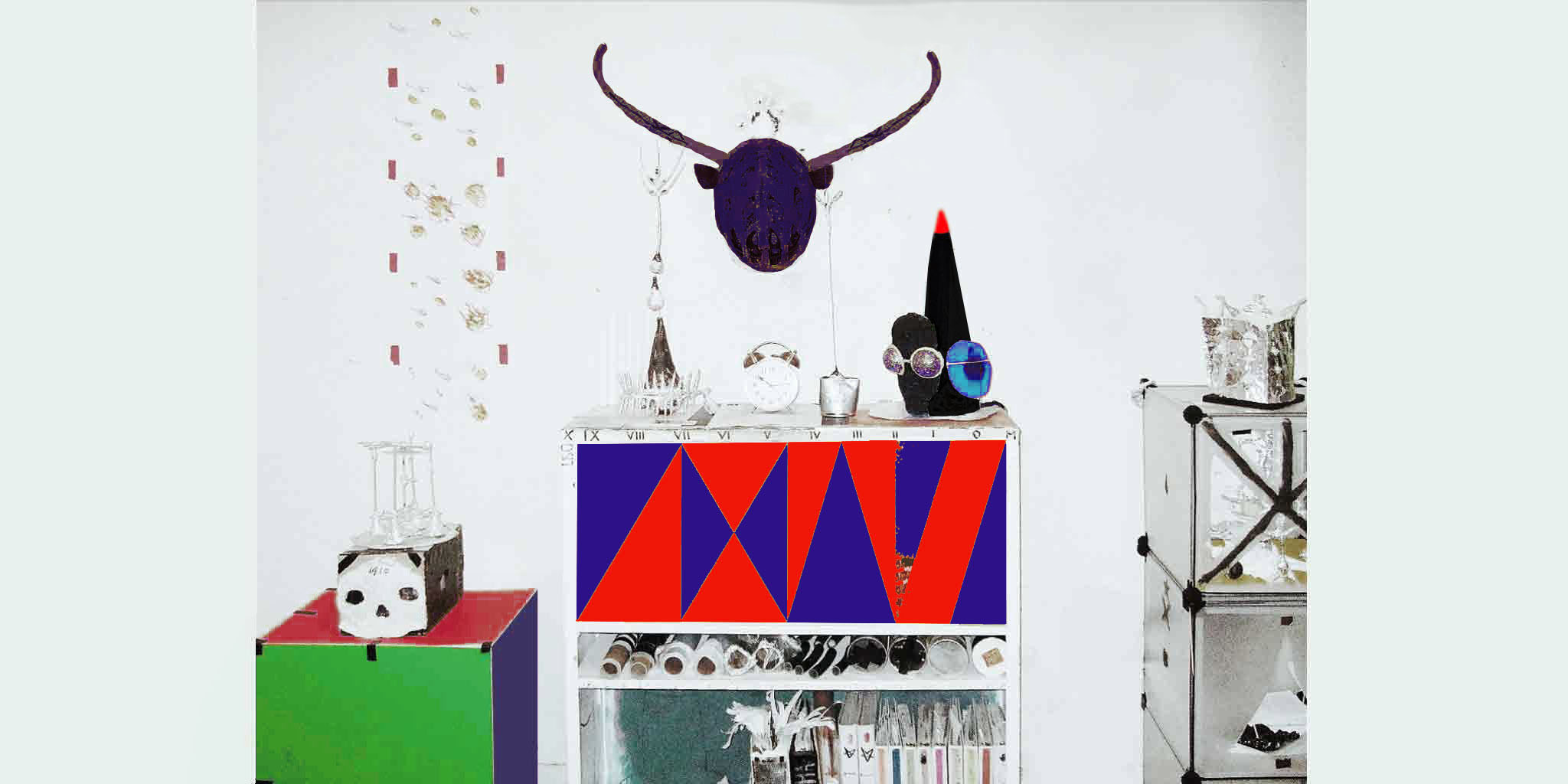
2022, digitally altered photograph of various sculptures. Since arriving in the United States in 2004, the artist has maintained a home studio, where all paintings, sculptures, and drawings are produced. This continuity of working environment has allowed for the sustained development of the artist's practice, facilitating both experimentation and serial refinement over time. Between 2020 and 2022, the artist's practice evolved, with a heightened focus on sculpture and installation, marking a significant period of artistic transformation. A drawing inspired by the computer game Rambo 2 displayed on the wall highlights the artist’s ongoing engagement with diverse cultural influences and personal interests, which continue to shape and inform the trajectory of their artistic development.
1
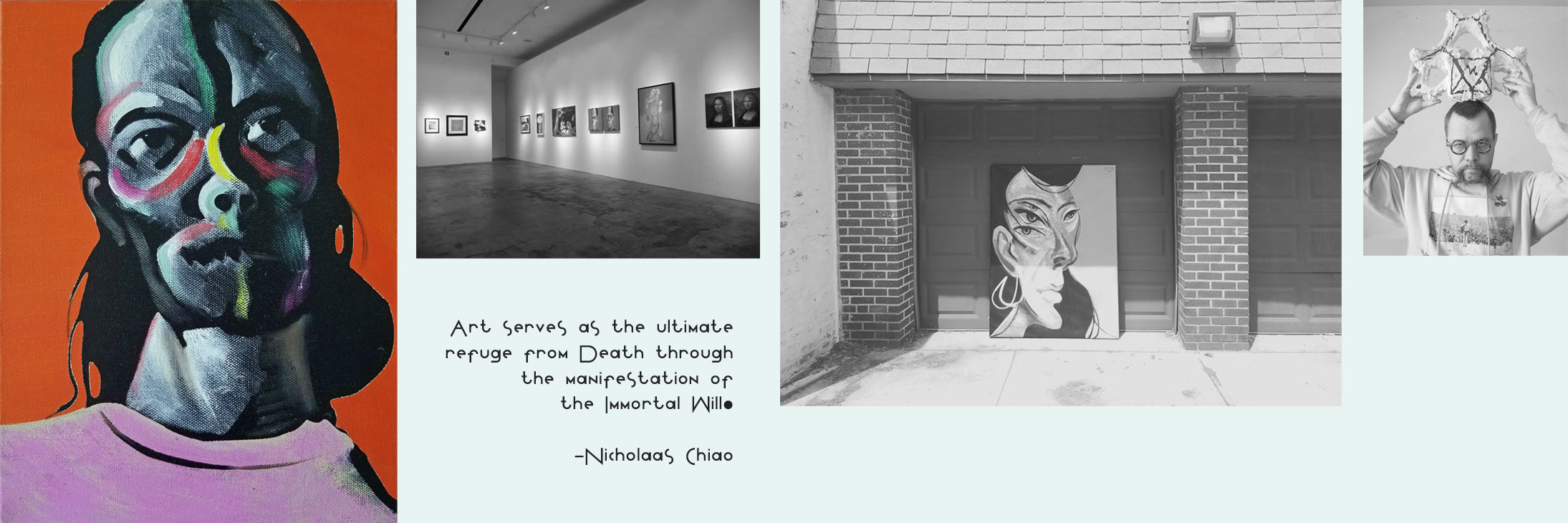
This project in contemporary art emerges as a direct response to the artist’s formative experiences within the New York art world of the 2010s, encompassing both the dynamic environments of Soho and Chelsea galleries and the broader institutional dramas of the Metropolitan Museum of Art, the Guggenheim, New Museum, and MoMA. By critically engaging with the mechanisms of art display and cultural authority in these settings, the project seeks to interrogate and redefine the artist’s role amid the helm of institutional structures, ultimately aiming to address the broader phenomenon of overproduction of art and to assert artist-driven, highly selective, and limiting art-making and curatorial practices as a model for contemporary and future culture.
The NICHOLAAS CHIAO art project represents an initiative in contemporary art curation that directly responds to the crisis of overproduction and the replication of art characteristic of post-industrial society, favors encyclopedic pluralism, reflecting concerns raised by theorists such as Jean Baudrillard regarding simulacra and the erosion of originality in cultural production. Importantly, Baudrillard's theory of simulacra suggests that the endless reproduction of images and objects undermines the possibility of authentic artistic expression, a phenomenon that the project seeks to address by emphasizing unique acts of artistic agency and curation. Building on this theoretical foundation, the project foregrounds the artist’s agency and draws on Nicolas Bourriaud’s concept of the artist as a 'semionaut,' who not only navigates but also actively constructs new cultural narratives within a saturated field of signifiers. Through the integration of art and design, the project critiques the dominance of institutional authority by proposing a model in which the artist assumes control over authority-making, contesting the institutional mediation that often dictates cultural value. In a context where the sheer volume of public relations belongs to institutions and the majority of the public favor level of museums over individual artist’s practices, often leaving artists overshadowed by elitist curators—except for those Masters with significant experience and fame—this project positions the artist as both creator and curator, reflecting recent theoretical discourse advocating for expanded curatorial authorship as a means of reclaiming artistic autonomy. The centrality of the artist’s curatorial role in Project NICHOLAAS CHIAO thus serves not simply as a pragmatic choice, but as a deliberate critical strategy that interrogates entrenched institutional influences and offers an alternative paradigm for contemporary cultural production.
One of the project’s straightforward objectives is to strengthen the market for Nicholaas Chiao’s artworks. Financial support from relevant authorities is considered essential, as the artist views personal financial stability as crucial for enhancing the quality of his work and facilitating the effective presentation of his art in public venues.
Another aim is to foster positive social and political change, address global challenges such as climate change, support peace initiatives, and enhance the public image of Nicholaas Chiao in the media. The online museum features a series of curated exhibitions that showcase the most significant achievements of Nicholaas Chiao.
2
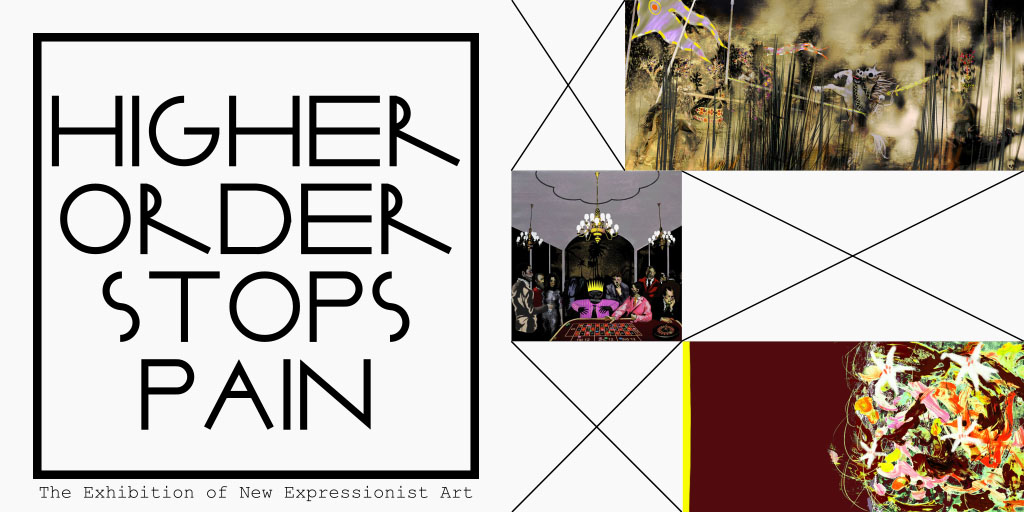
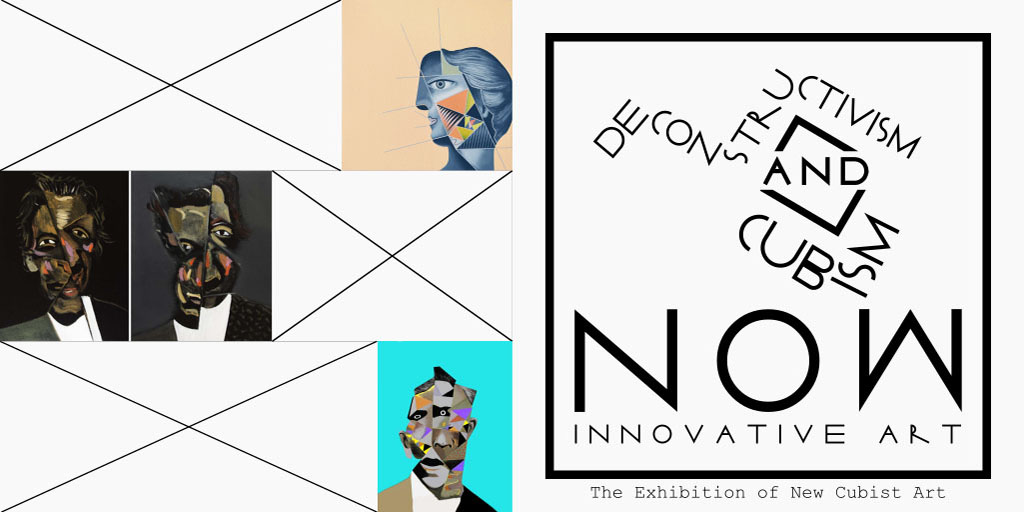
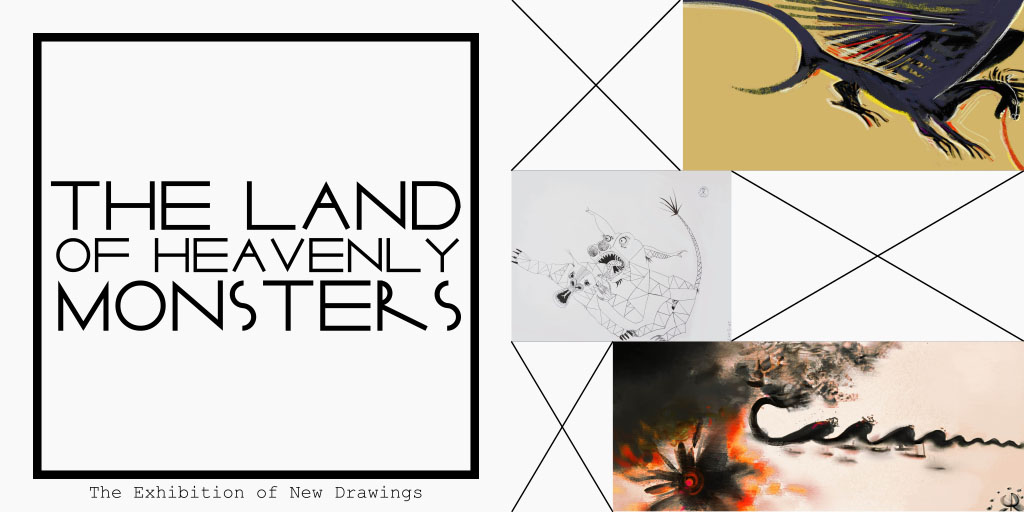
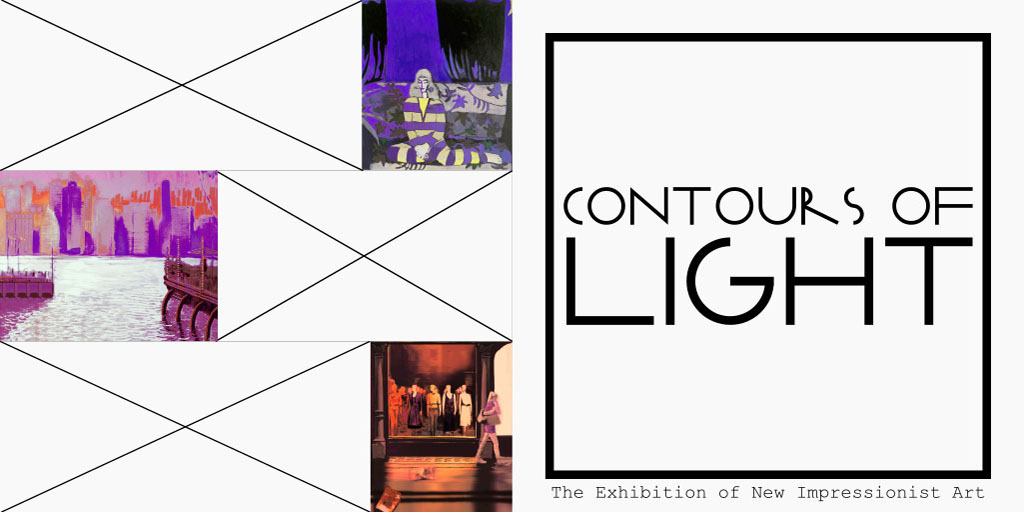
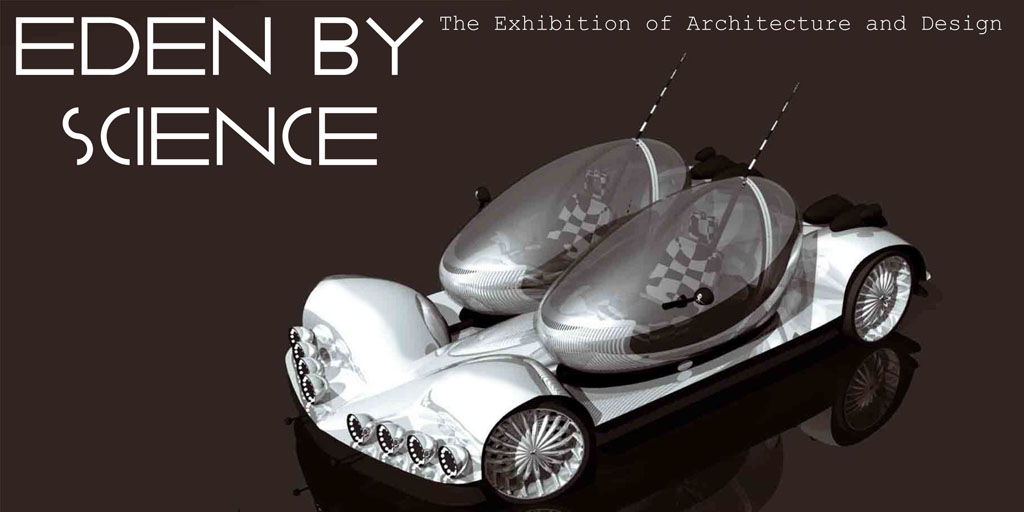
At present, the project comprises over ten thematic exhibitions, each centered on major historical art styles. These exhibitions adopt a futurist perspective on art, design, architecture, and technology, encouraging viewers to envision a more innovative future. Project NICHOLAAS CHIAO also advocates for universal law and ethics, promoting these principles as the foundation for Niertismus, a new religion conceived by the artist. Niertismus is based on the comprehensive correction of personal mistakes and failures, which Chiao regards as essential for a better life and a stable, sustainable future.
3
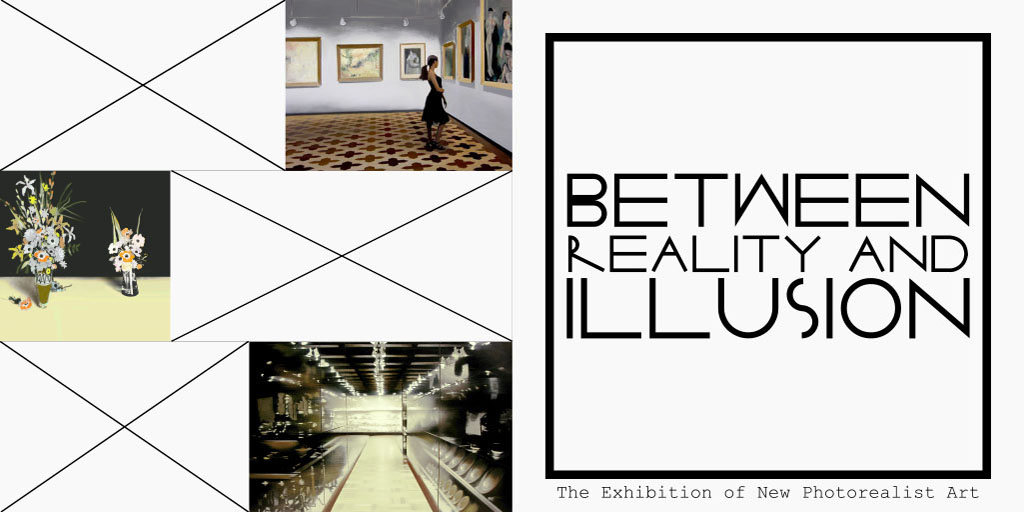
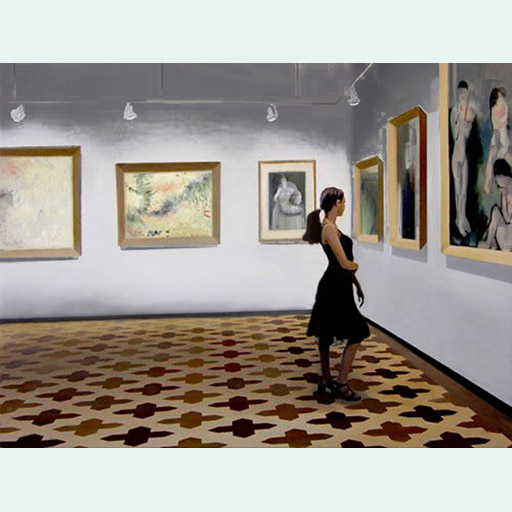
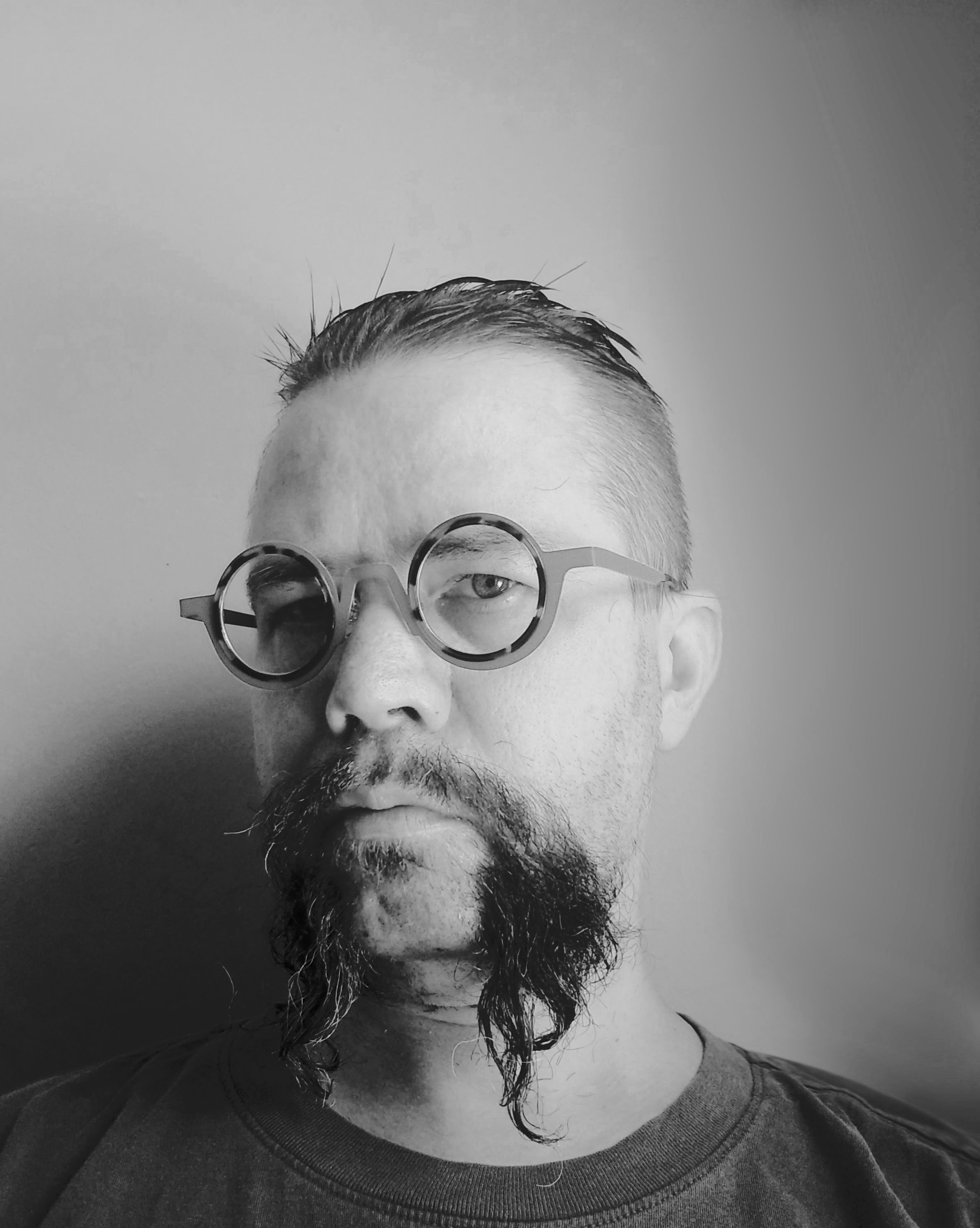
Nicholaas Chiao (also known as Nicholas Chistiakov, Nicolai Chystiakov, Nikolay Chistyakov, Nikolai, and Apolianorvs) was born in 1981 in Minsk, Belarus. In 2003, he immigrated to the United States after his family won a Green Card Lottery visa. This transnational experience exposed significant educational gaps between Post-Soviet Belarus and the US, personally degraded Mr. Chiao due to his limited English proficiency, yet helped shape his critical approach to institutional power and cultural pluralism, themes central to his current project. In 2007, he held a solo exhibition titled "Time and Measures" at Behr-Thyssen Ltd in Manhattan, featuring photorealistic paintings of museums, art galleries, and their visitors. His early focus on representations of art spaces demonstrates an enduring engagement with questions of authoritative art display and audience, framing much of his later work. That same year, he began collaborating with the Tallantyre Gallery to expand his presence in the United Kingdom, further complicating his perspective on global art systems. Since 2009, he has pursued complex projects across various styles and media, frequently using software and robotic tools, reflecting his interest in overproduction and the proliferation of art in the digital age. Due to experiences of loneliness and stress, he underwent several psychiatric hospitalizations, an aspect that informs his emphasis on individual agency and self-curation in artistic practice. From 2010 to 2020, he participated in group exhibitions at the Mimi Ferzt Gallery and Krause Gallery in New York, settings that exemplify the institutional contexts his project critically engages.
Artists's exhibitions:
The Affordable Art Fair, New York, 2006 with Behr Thyssen Ltd
Pavilion Art Fair, 2006, New York
Time and Measures, New York, Behr Thyssen ltd 2007
The Affordable Art Fair, New York, 2007 with Behr Thyssen Ltd
Affordable Art Fair London 2008 with Tallantyre Gallery, London, Great Britain
AAF London 2009 with Tallantyre Gallery, London, United Kingdom
AAF London 2010 with Tallantyre Gallery, London, Great Britain
Affordable Art Fair London 2011 with Tallantyre Gallery, London, Great Britain
Affordable Art Fair London 2012 with Tallantyre Gallery, London, United Kingdom
Affordable Art Fair London 2013 with Tallantyre Gallery, London, Great Britain
Affordable Art Fair London 2014 with Tallantyre Gallery, London, Great Britain
Scope Art Fair, 2015, NYC with Hendershot Gallery
Red, 2015, Group Exhibition, New York, Mimi Ferzt Gallery
Emerging to Established, 2015, Group Exhibition, New York, Krause Gallery
GLAAD Art Auction, New York, curated by Daneyal Mahmood
Cat Art Show LA, 2015, Los Angeles, produced by Susan Michaels

|
 |
2002-2003 gallery.bip.ru | 2004-2007 chystiakov.com | 2007-2016 nicholaschistiakov.com | 2017-2019 nicholaschistiakov.org | Copyright © 2026 Nicholaas Chiao, All Rights Reserved.